
Biofabricated NAMs
It’s about better models. At Linton, we believe the future of medicine depends on how well we can replicate the human body in the lab.
That’s why we’re building biofabricated(bf) New Approach Methodologies (NAMs) designed around structure and function, especially perfusable tissues, tubular tissues that mimic blood vessels, and other flow-driven systems in the body. By combining biofabrication, biomaterials, and controlled flow environments, we create platforms that capture the dynamics of human physiology.
The goal is simple, whether studying mechanisms of action, dosing amounts, or device design behavior, we need therapies to reach patients with greater confidence and impact.
Different Sizes,
Different Layers
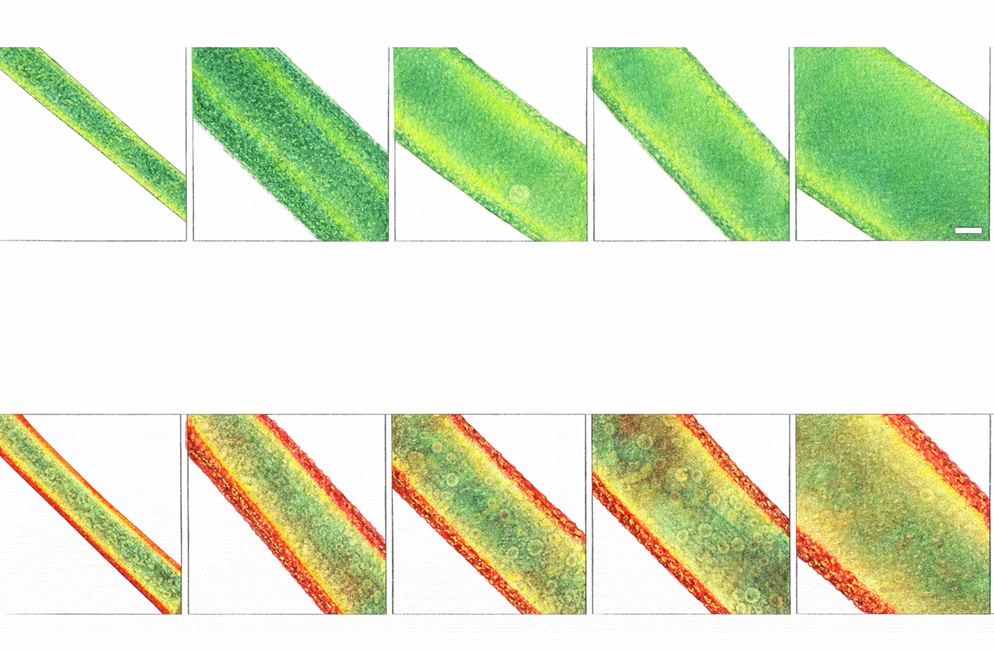
Engineered for versatility, our biofabricated tubular systems are designed to replicate a range of physiological conditions through precise control of size, geometry, and layer composition. From single-layer constructs to more complex multi-layered architectures, this flexibility allows us to model diverse vascular environments and tailor systems to specific research or therapeutic applications, providing a powerful platform for understanding structure–function relationships in human tissues.
Different Cell Types, even with iPSCs
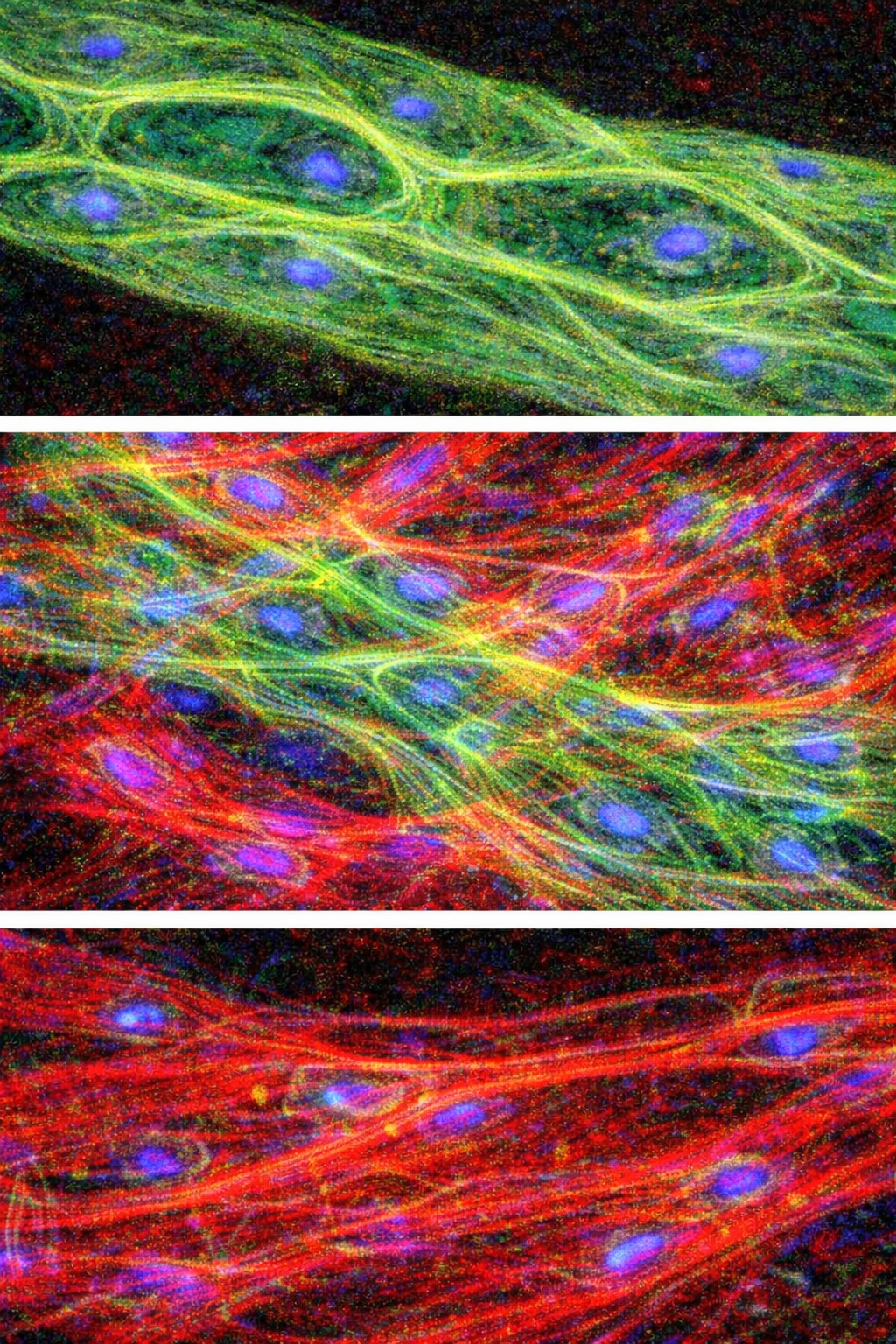
From endothelium to multicellular constructs, our platform enables the integration of diverse human cell types, including iPSC-derived cells, into functional, biofabricated systems. By combining different cellular components within controlled architectures, we recreate more physiologically relevant environments that reflect the complexity of native tissues.
This approach allows us to study interactions between cell types, improve predictive modeling, and design grafts that are not only structurally robust, but biologically responsive, bringing us closer to truly personalized and regenerative therapies.
Study a Host of
Different Outputs
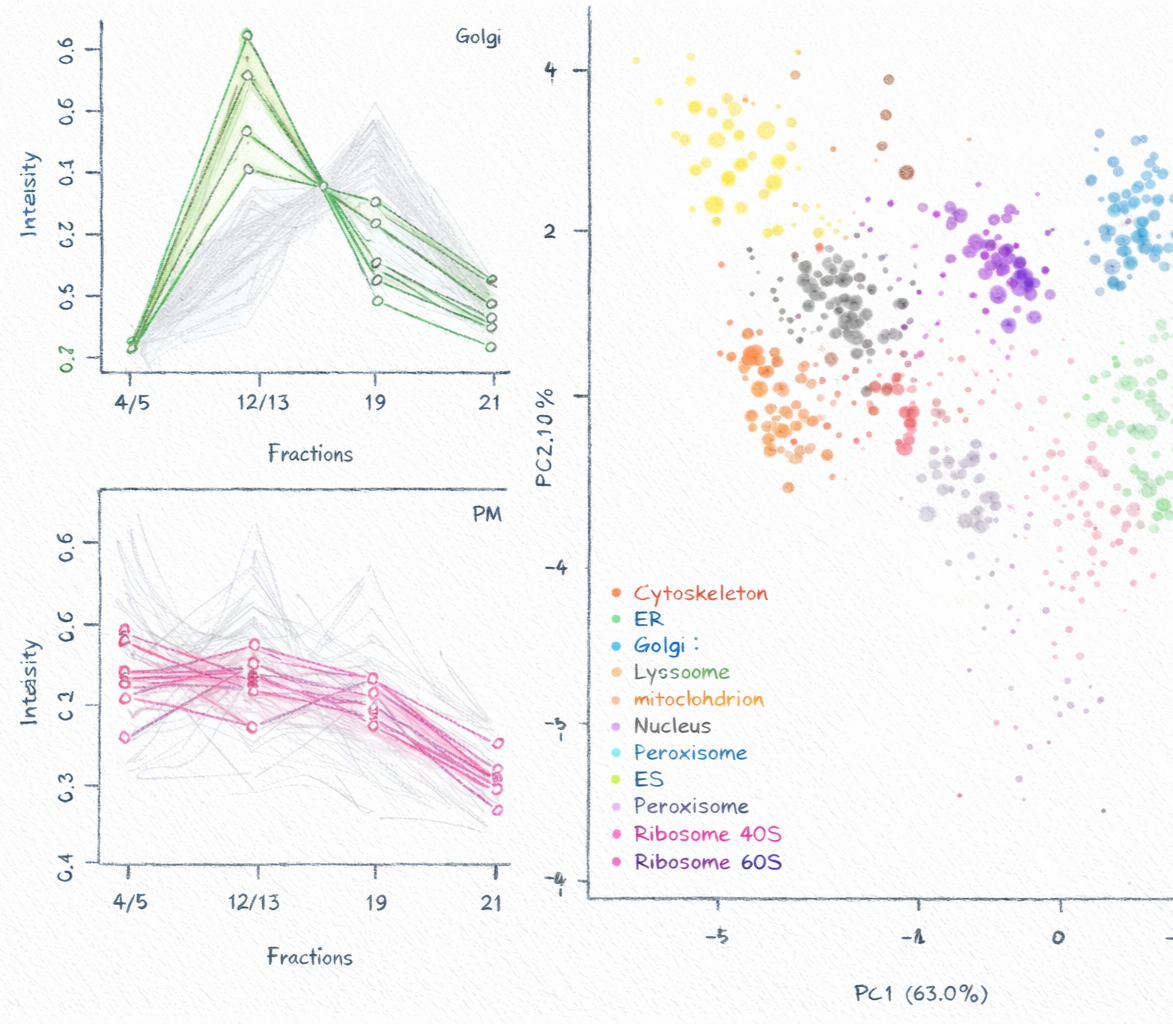
Engineered for versatility, our bfNAMs enable the study of a wide range of physiological responses under tightly controlled conditions. By tuning size, geometry, and multi-layer composition, these platforms provide a powerful environment to investigate mechanism of action, characterize dose–response relationships, and evaluate medical device performance in a biologically relevant context.
Using advanced omics profiling, biosensors, or tissue analysis, these systems allow for real-time and endpoint insights into cellular behavior, molecular signaling, and functional outcomes. This translational validation approach offers a comprehensive framework to understand how therapies and devices interact with human tissues, bridging the gap between in vitro models and clinical reality.
Learn More,
join us.
Become a collaborator.
Reach out by filling out the form.
We look forward to hearing from you.