
The trusted biofabrication platform, from R&D to regulated manufacturing
A biofabrication platform for the precise deposition of hydrogels, polymers, pastes and cell-compatible biomaterials, now advanced by Linton.

It’s about trust
At Linton, we believe the future of biofabrication depends on giving scientists, engineers, and manufacturers a platform they can rely on as ideas move from research toward real-world applications and manufacturing, ultimately helping translate innovation into technologies that can improve patient care.
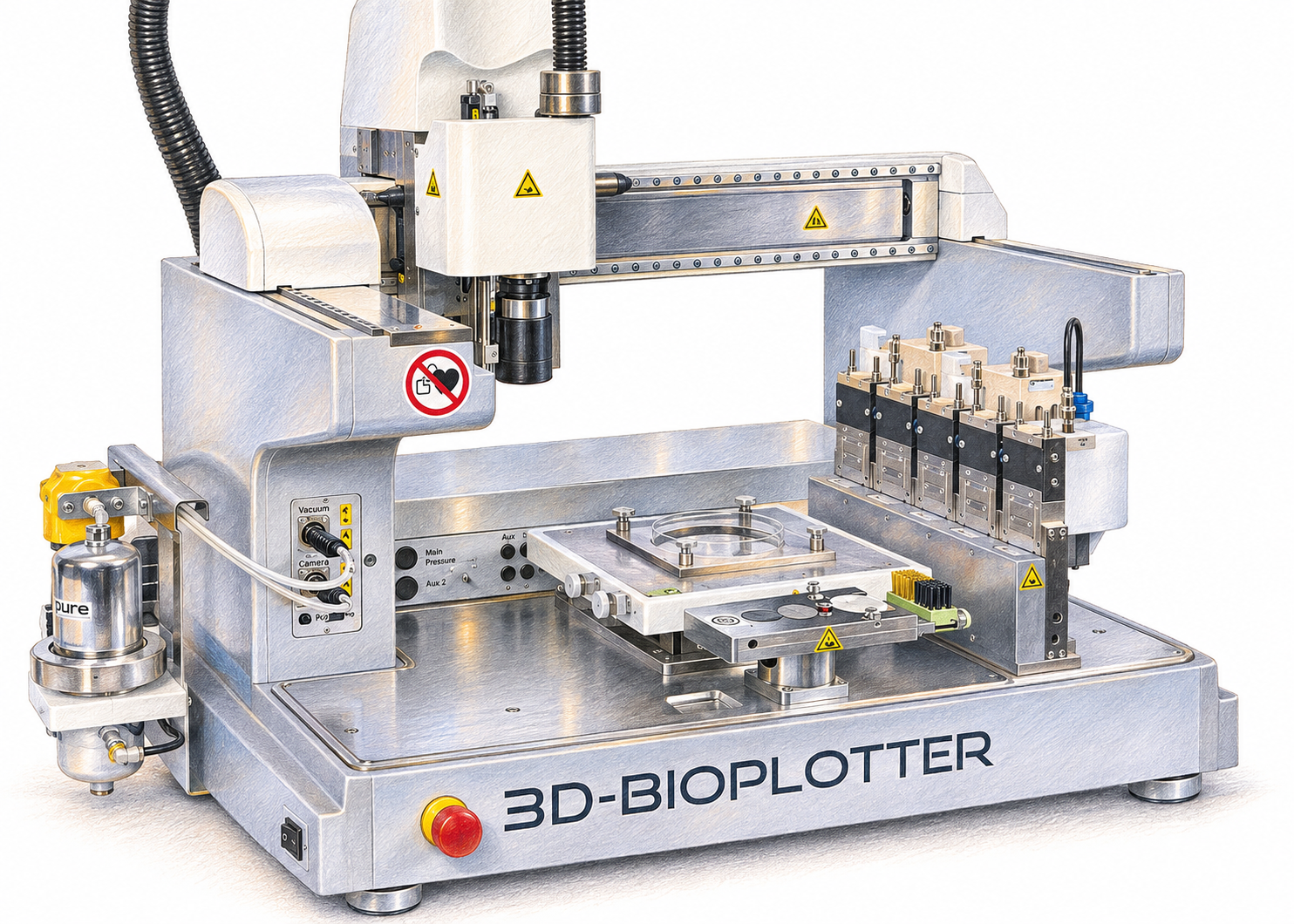
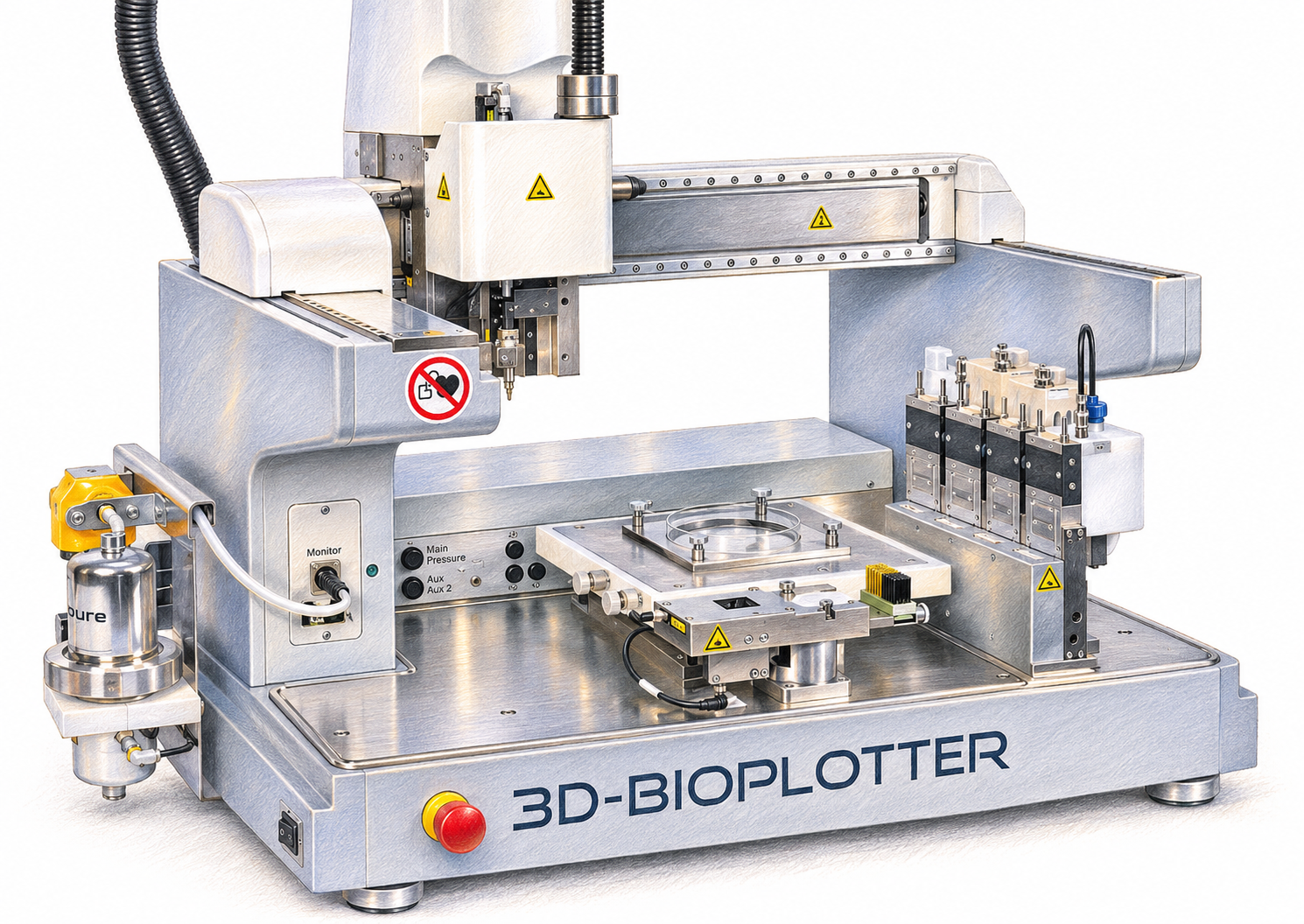
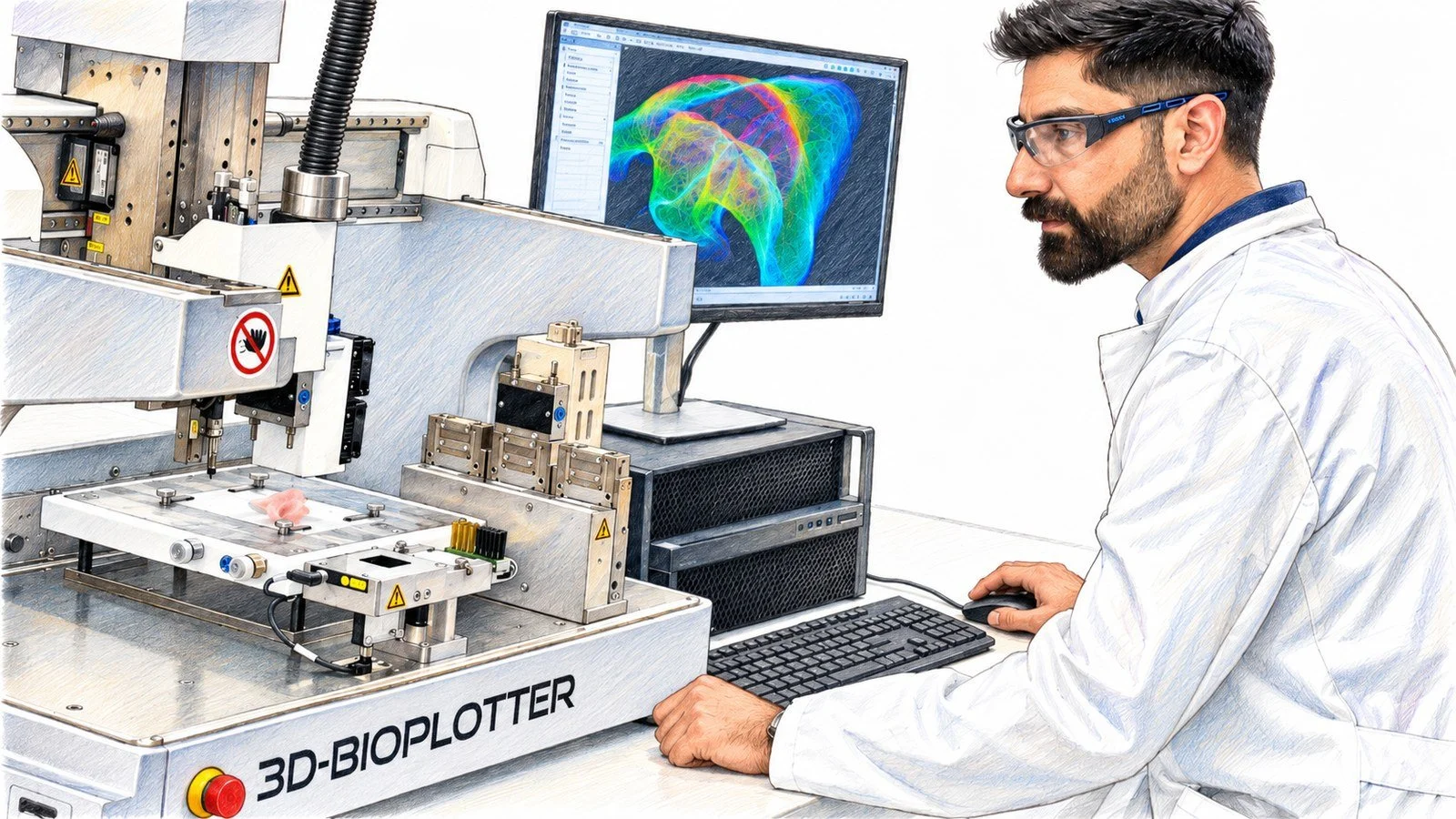
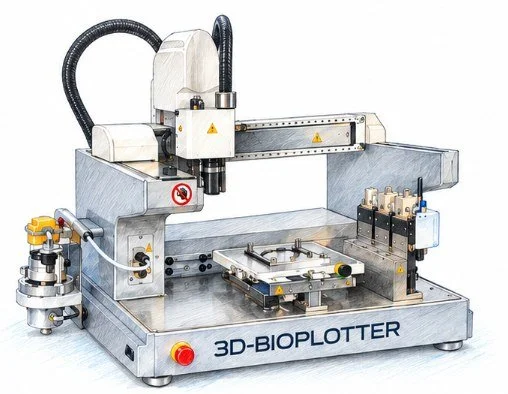
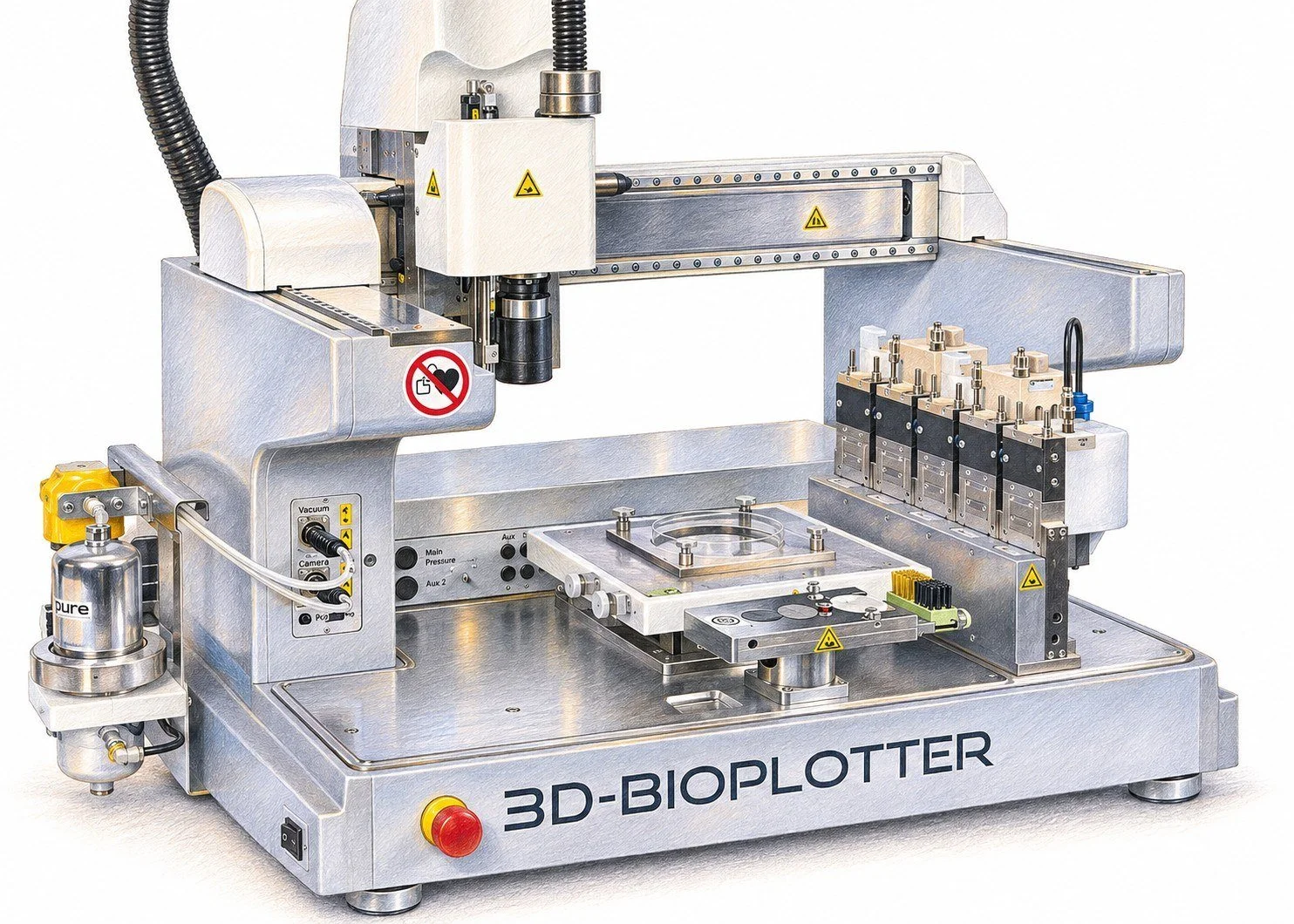
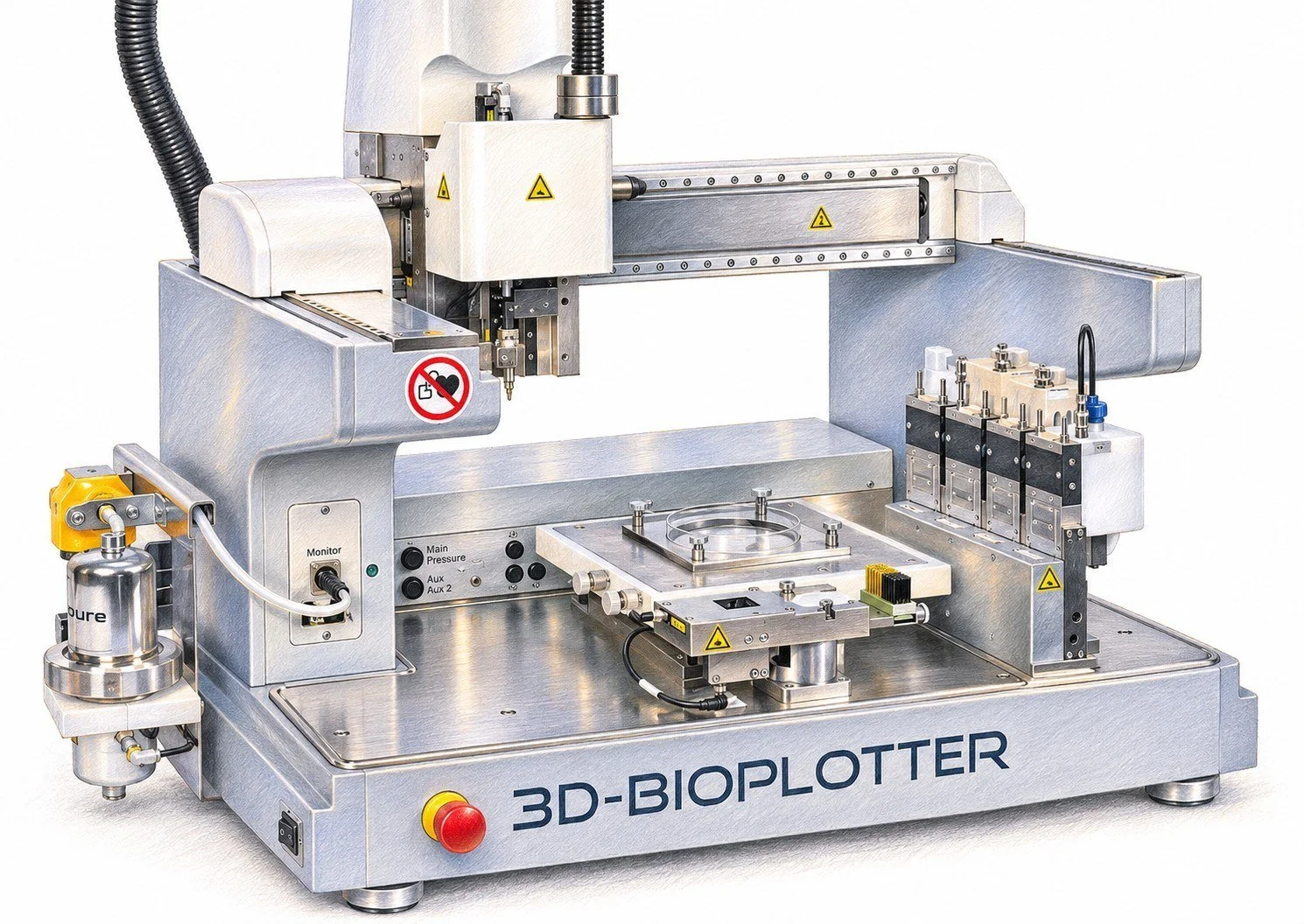
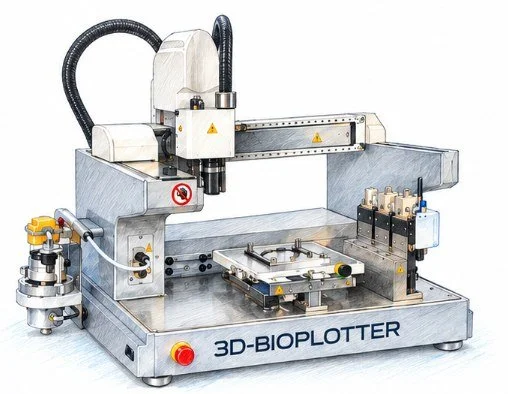
That’s why we’re advancing the 3D-Bioplotter, a proven biofabrication platform designed for precise, repeatable fabrication across a wide range of materials, geometries, and applications.
For more than a decade, the Bioplotter has supported work across tissue engineering, medical devices, advanced materials, and translational research. Its flexibility gives developers the freedom to innovate, while its precision and reproducibility provide the confidence needed to move promising technologies forward.
Because ultimately, better biofabrication is about more than what can be built. It’s about creating trusted tools that help turn scientific progress into technologies that can benefit patient care.
Developed at the University of Freiburg and launched in 2000, the 3D-Bioplotter is the original extrusion-based biofabrication platform, cited in more than 2,490 research papers.
Two decades of innovation
- 2000
- First paper published on the 3D-Bioplotter prototype, Universität Freiburg
- 2002
- First generation system installed; first paper on scaffold–cell interaction
- 2008
- First paper on printing cell suspensions (bioprinting)
- 2009
- 4th-generation Manufacturer Series for academic and commercial use, with a camera for medical traceability
- 2010
- First paper on drug-releasing applications
- 2013
- Developer Series makes tissue engineering R&D more accessible
- 2017
- First paper on a bioprosthetic printed ovary (functional organ printing)
- 2019
- Larger build areas; Co-Axial, Inkjet and Multiwavelength printheads
- 2020
- Print-and-Cure printhead (385 and 405 nm)
- 2022
- First FDA 510(k)-cleared 3D-printed bone regeneration product made on the platform
- 2023
- PrintRoll™ rotating build platform for cylindrical scaffolds
- 2026
- 3D-Bioplotter business joins Linton
System Highlights
Highly Precise
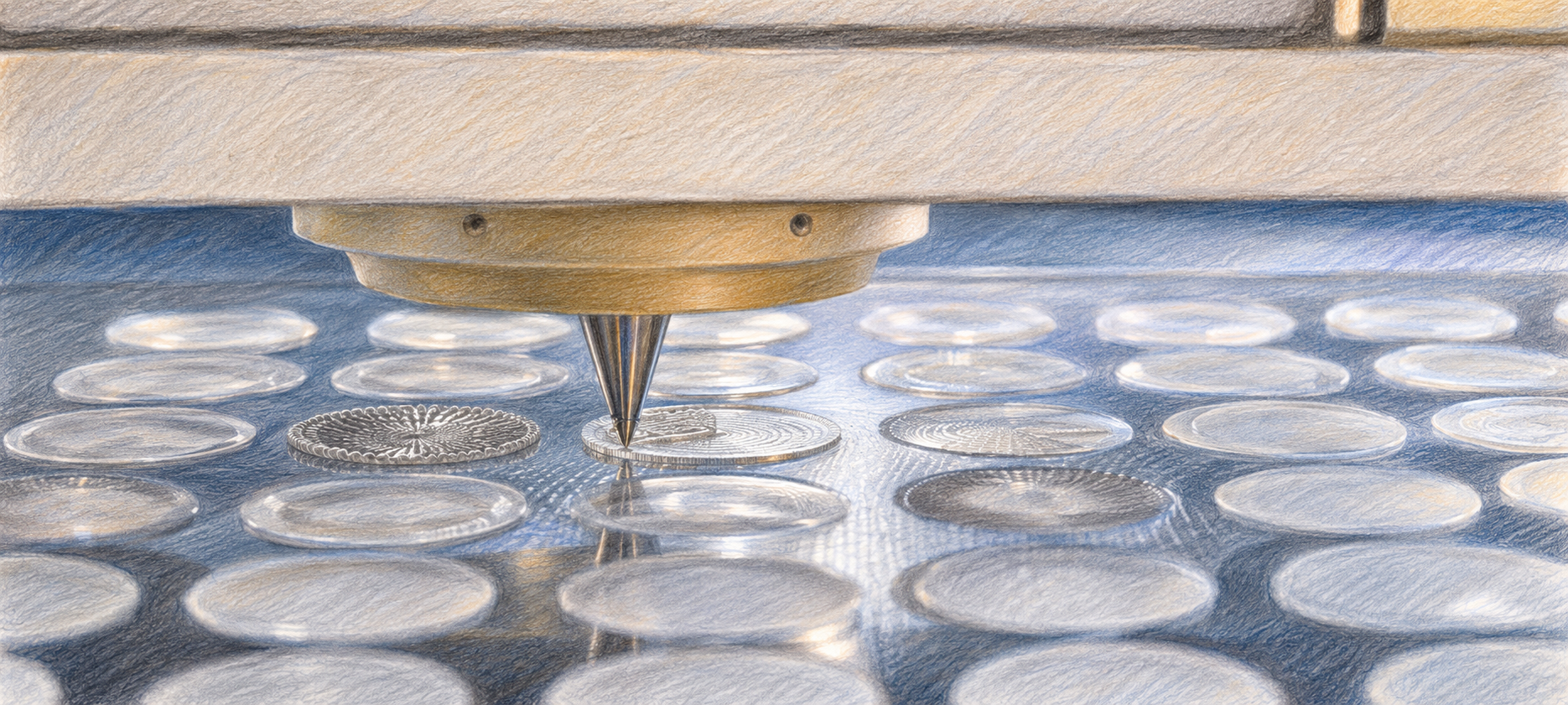
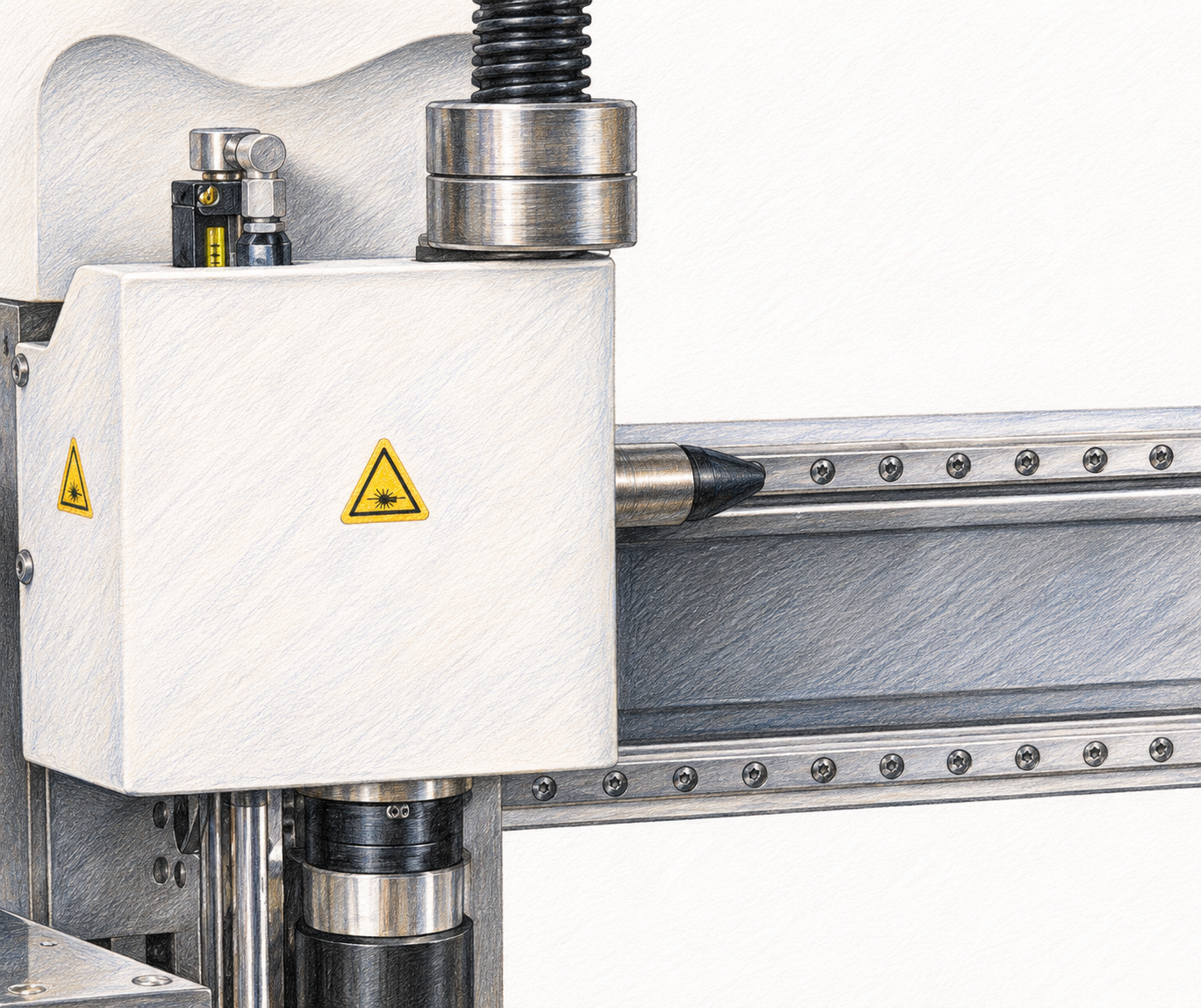
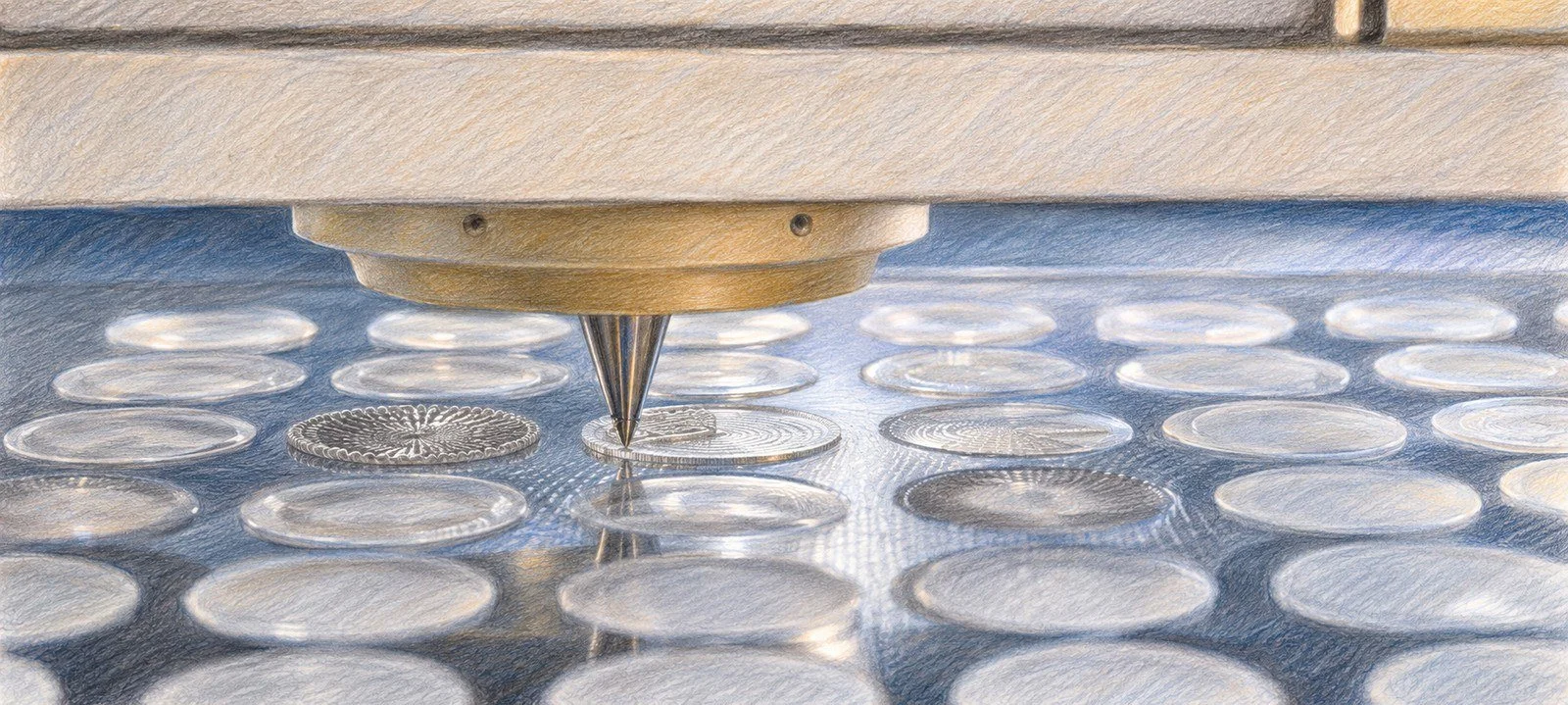
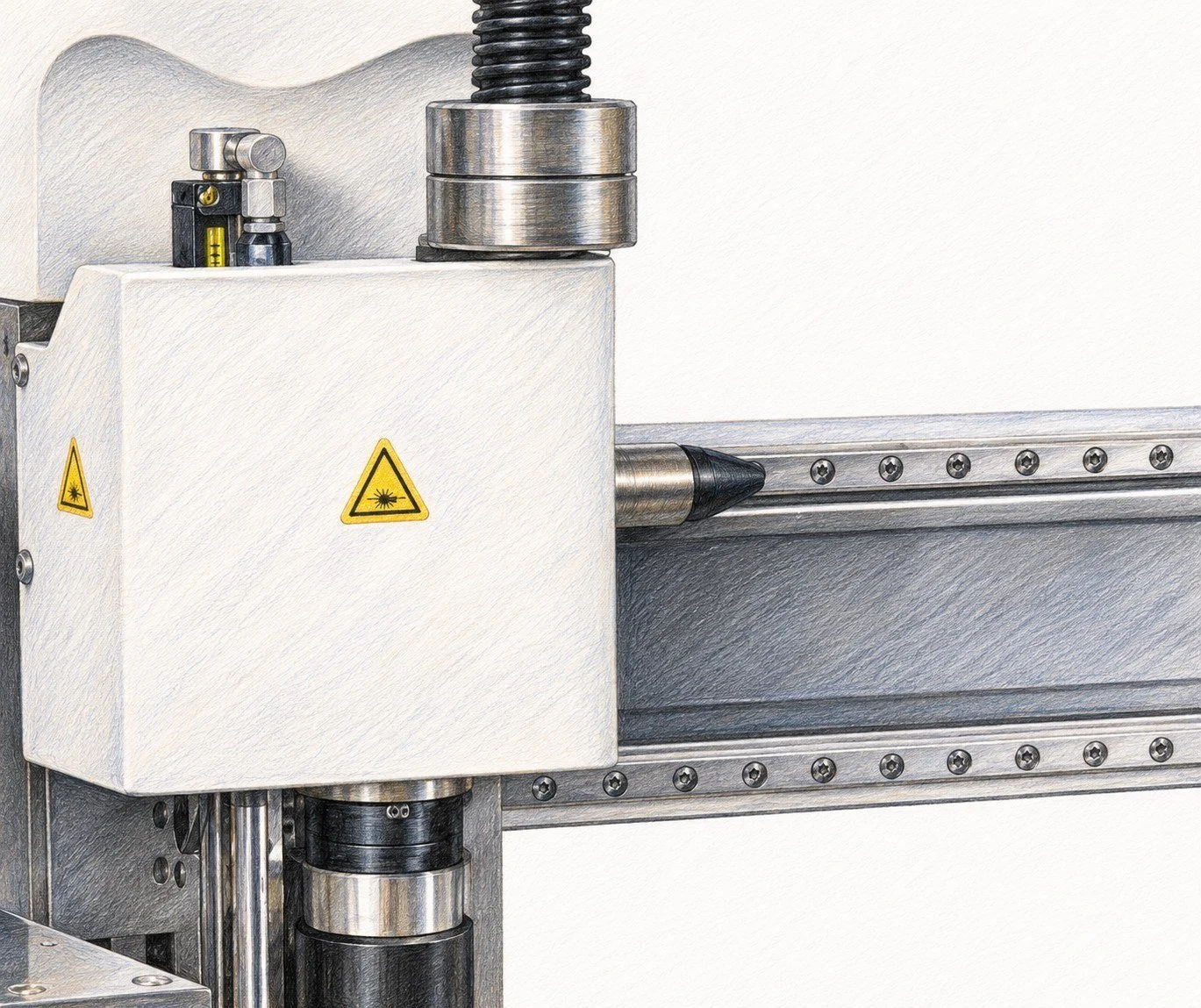
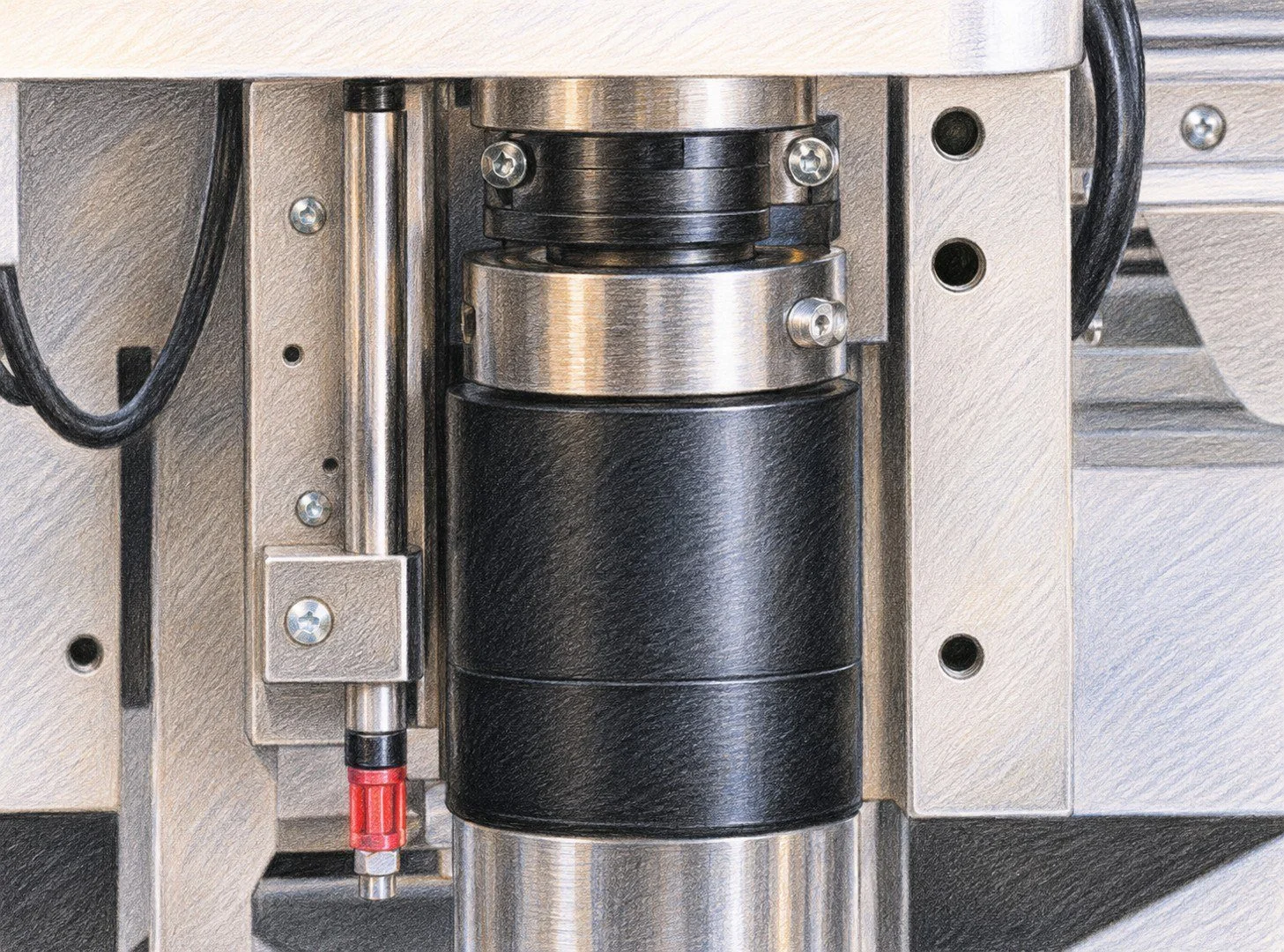
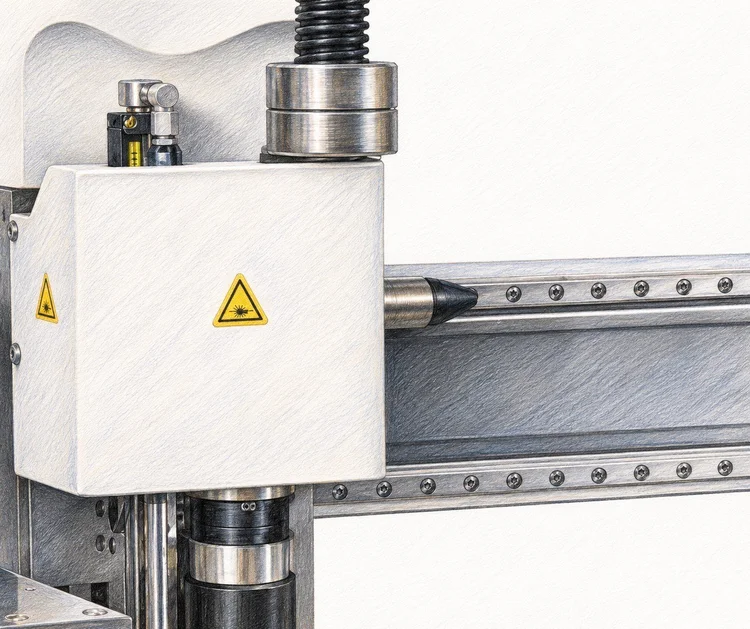
Swiss-made 3-axis extrusion system using precise controls to dispense and pattern a wide range of materials.
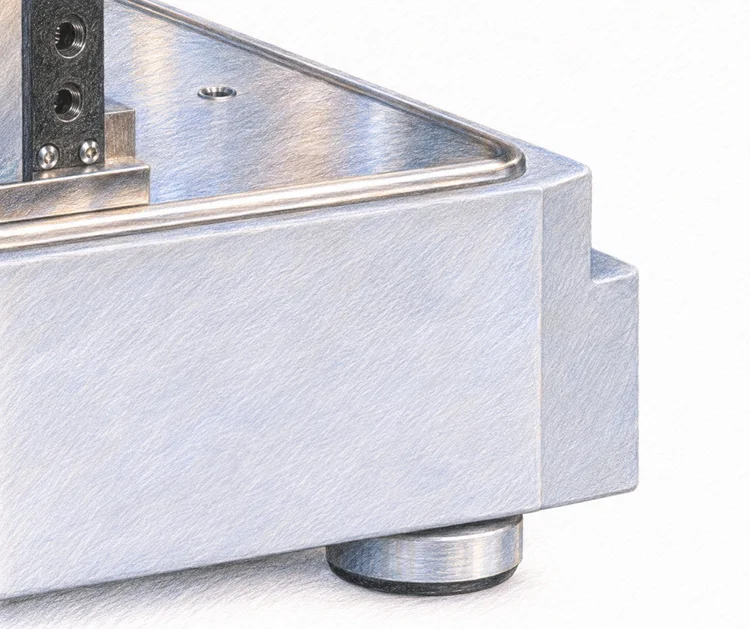
Robust
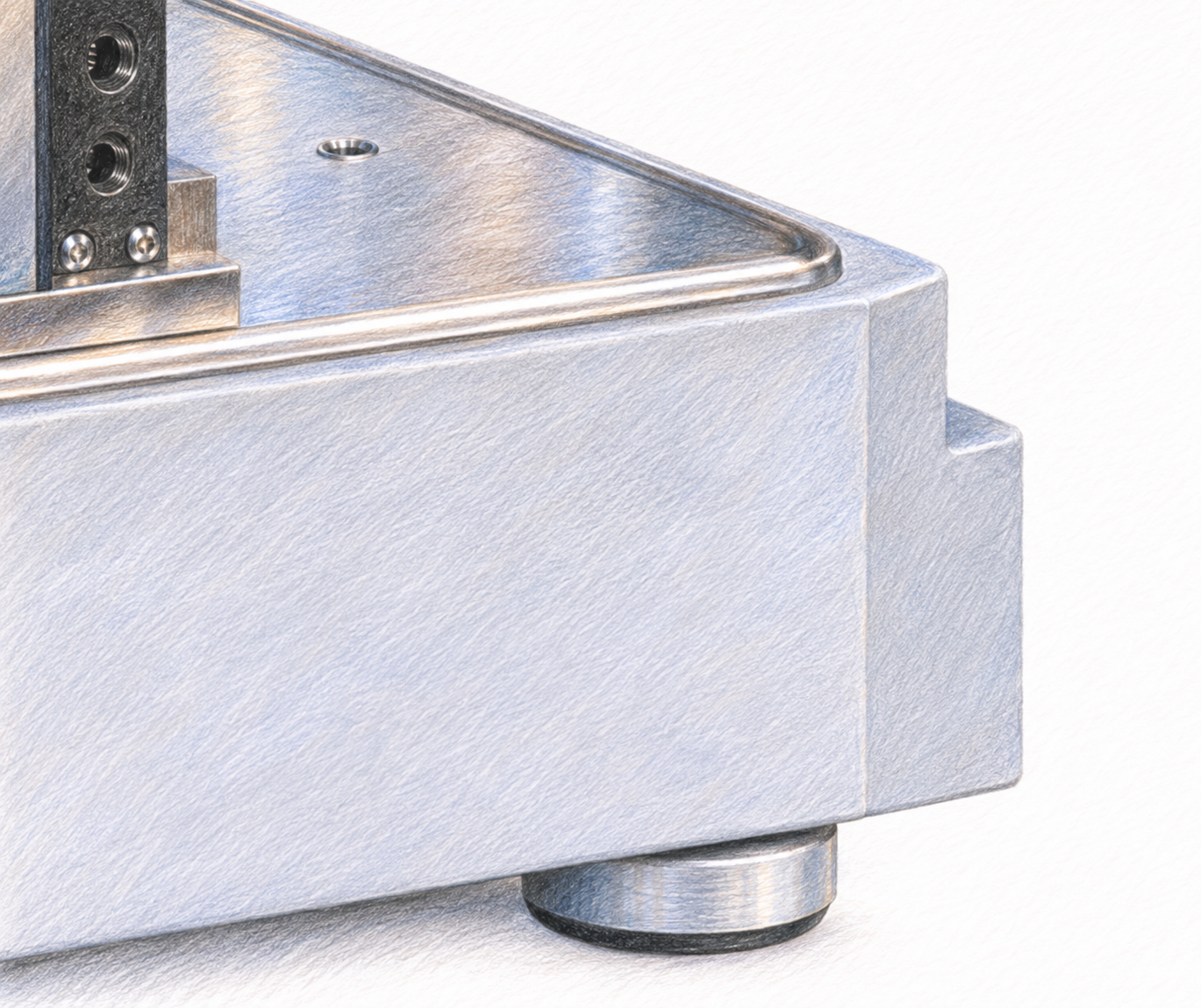
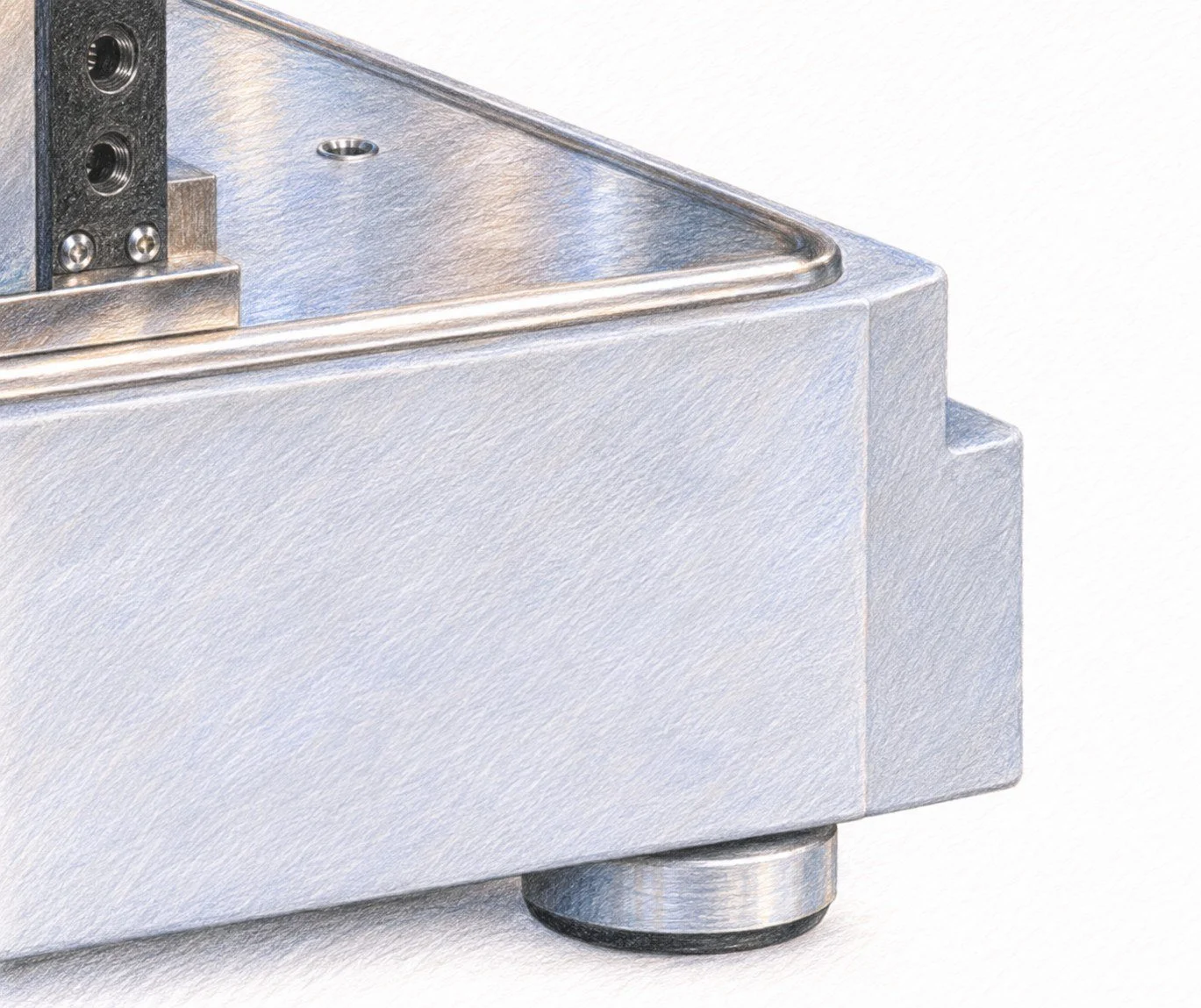
Vibration-resistant machine frame designed for durability and stability during continuous use.
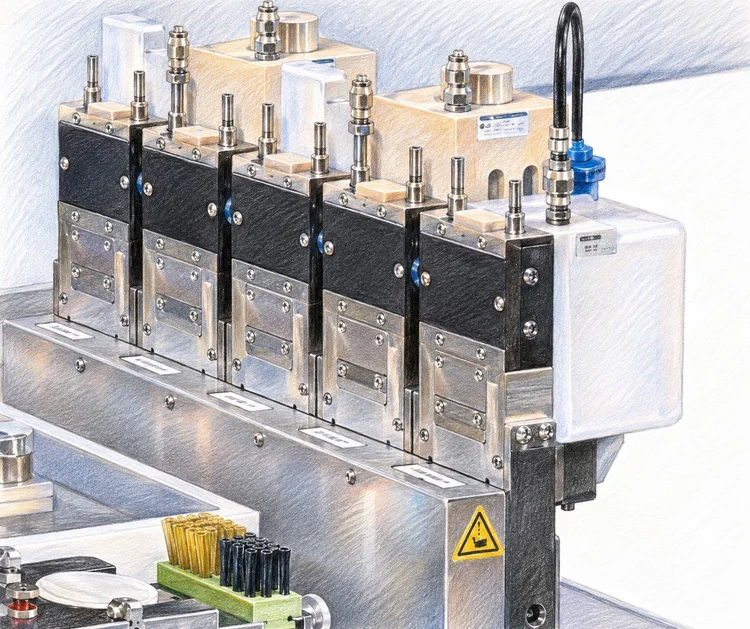
Adaptable
Add new features to existing machines easily, like new printheads or other accessories.
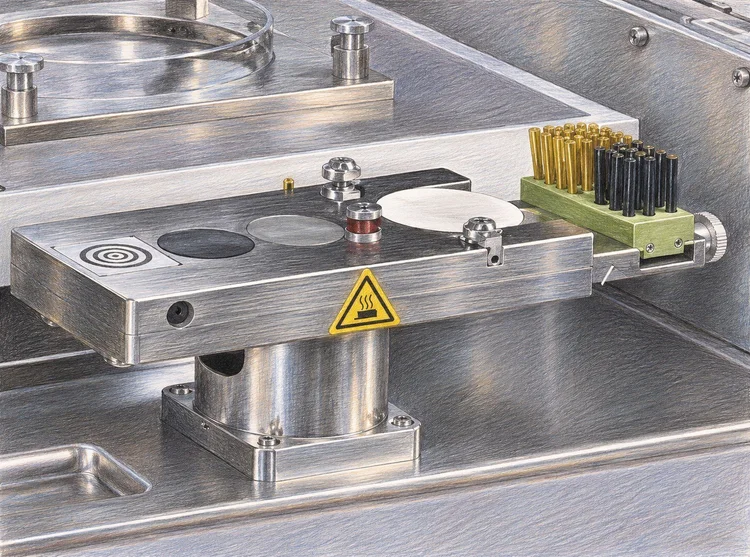
Automated
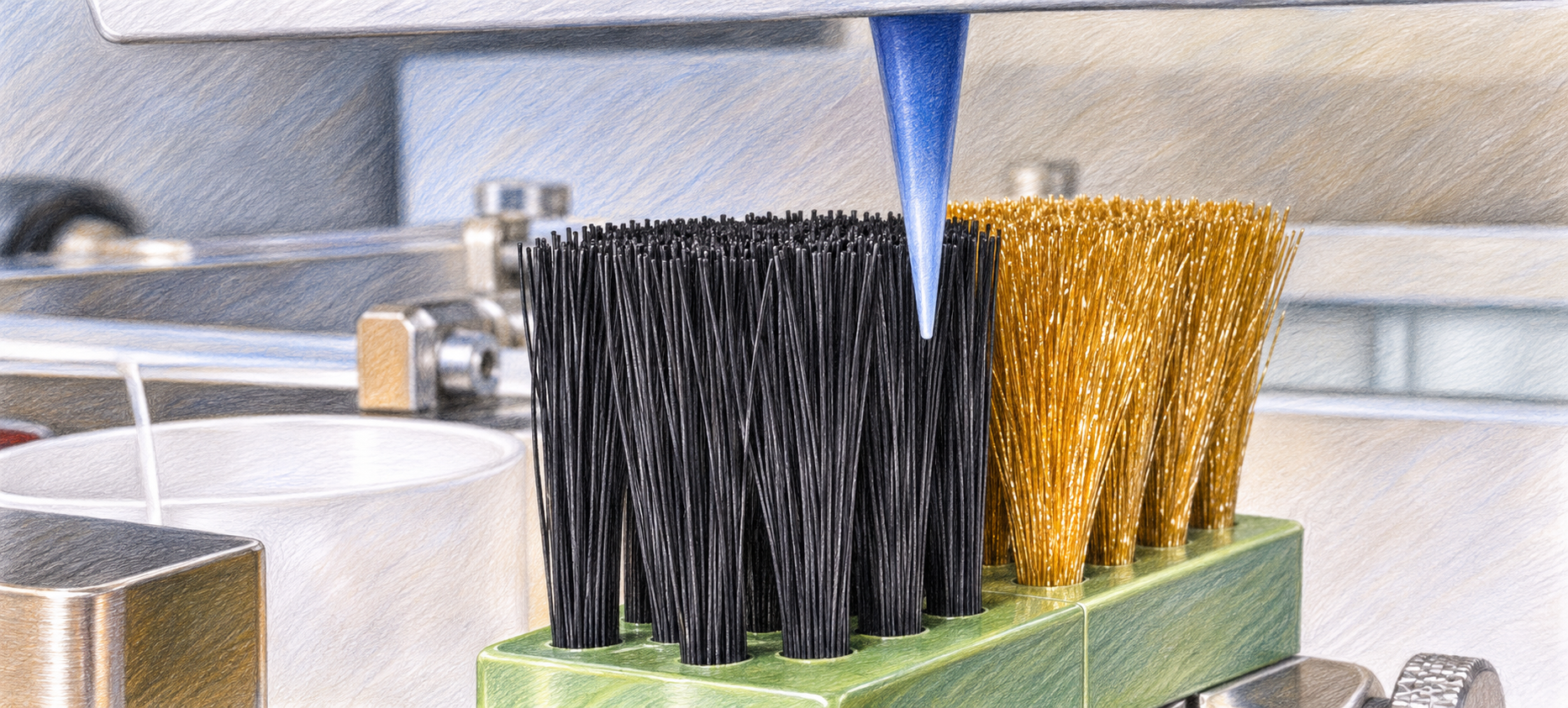
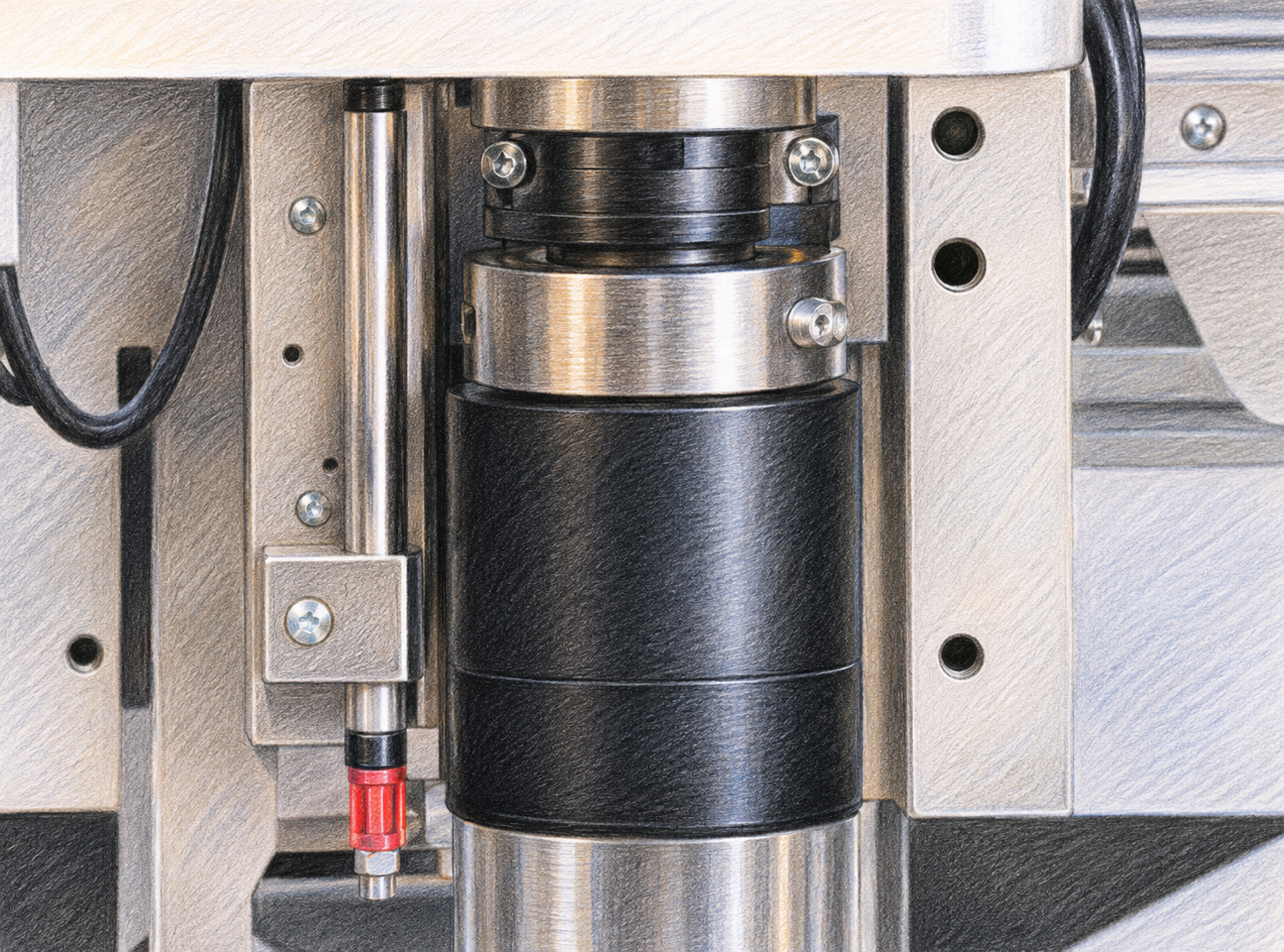
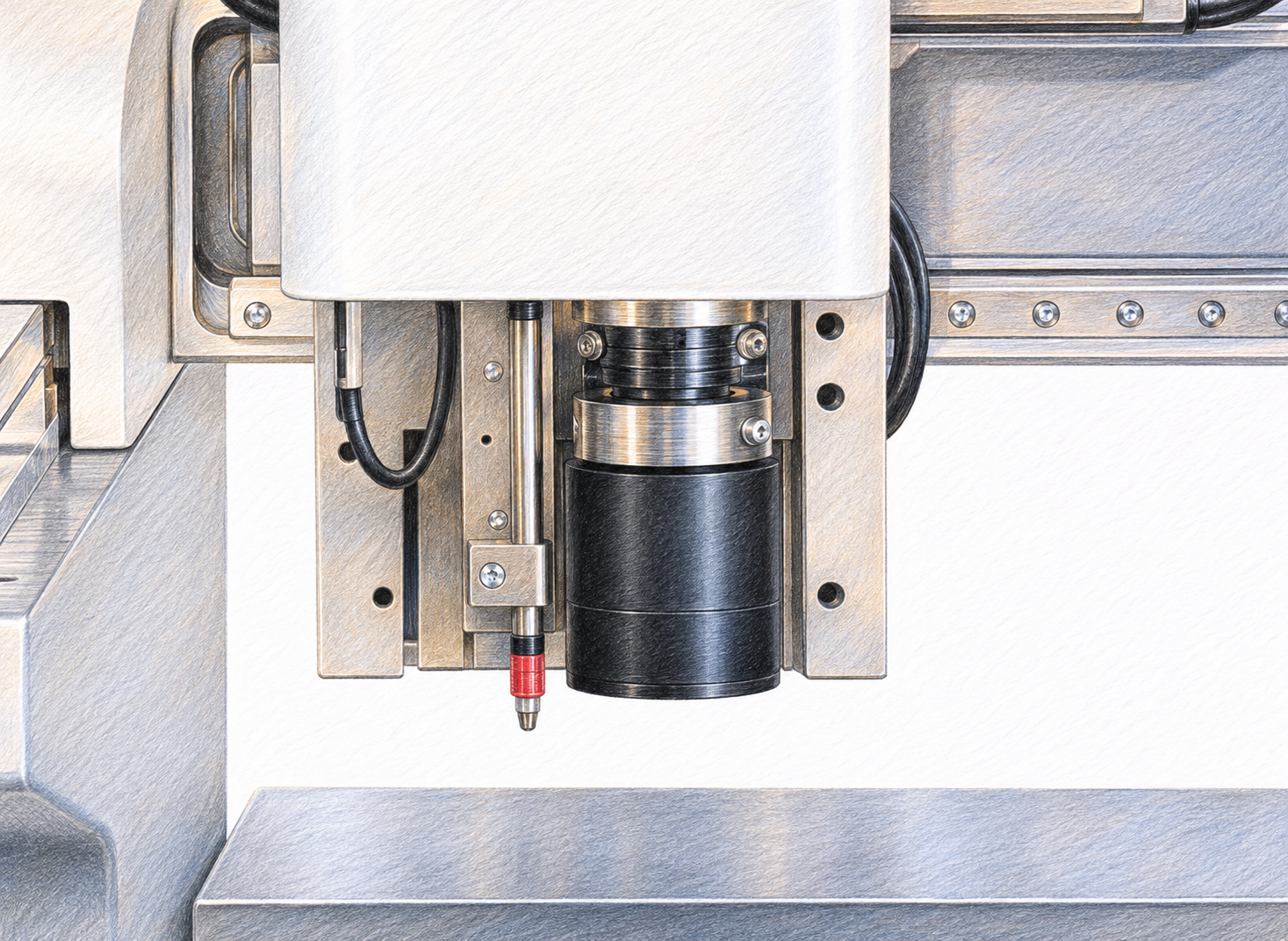
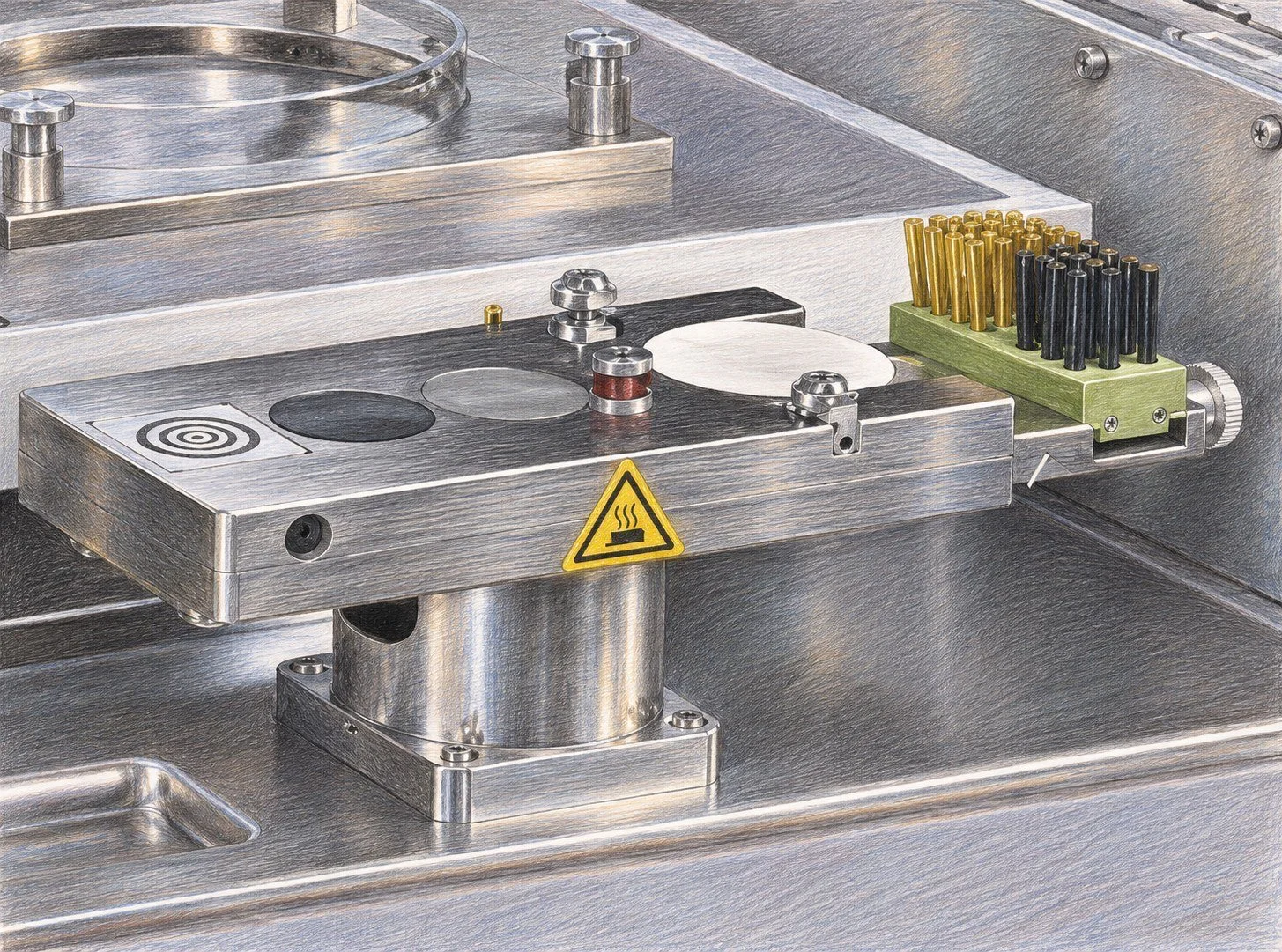
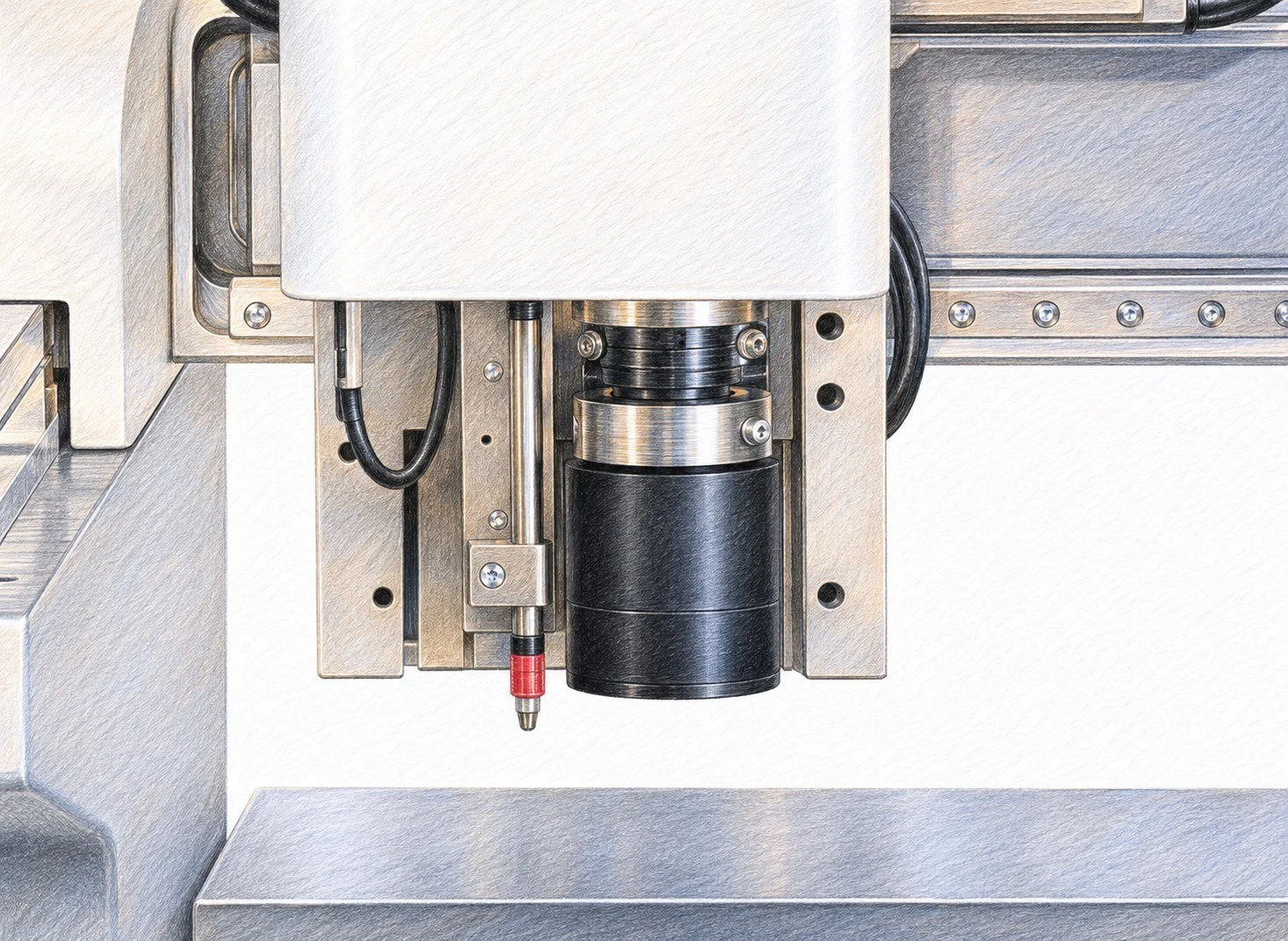
Automatic substrate height detection, needle tip cleaning and background recalibration.
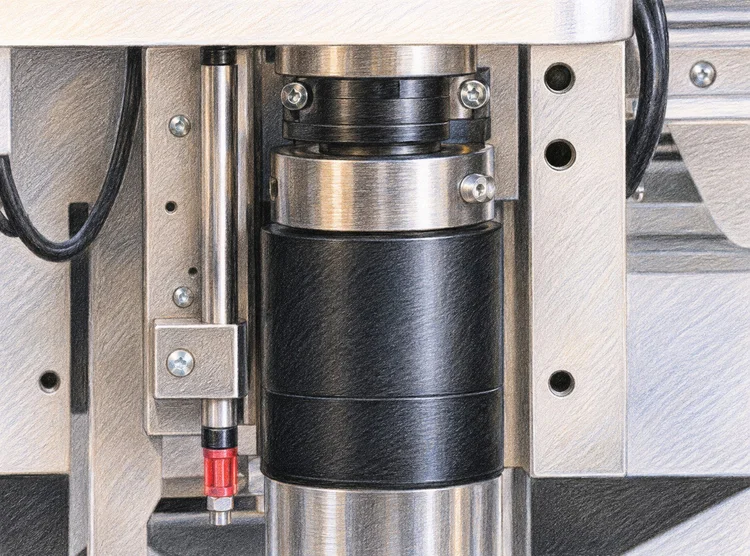
Medical-Grade Traceability
Log files after each print with all material parameters and project settings for quality management.
Hardware
- Footprint 976 × 623 × 773 mm
- Weight 90–130 kg by model
- 100–240 VAC, 50/60 Hz
- Compressed air 6–10 bar
- Luer Lock tips, 0.1–1.2 mm ID
Sterility
- Designed for use inside a biosafety cabinet
- Built-in particle and sterile air filters
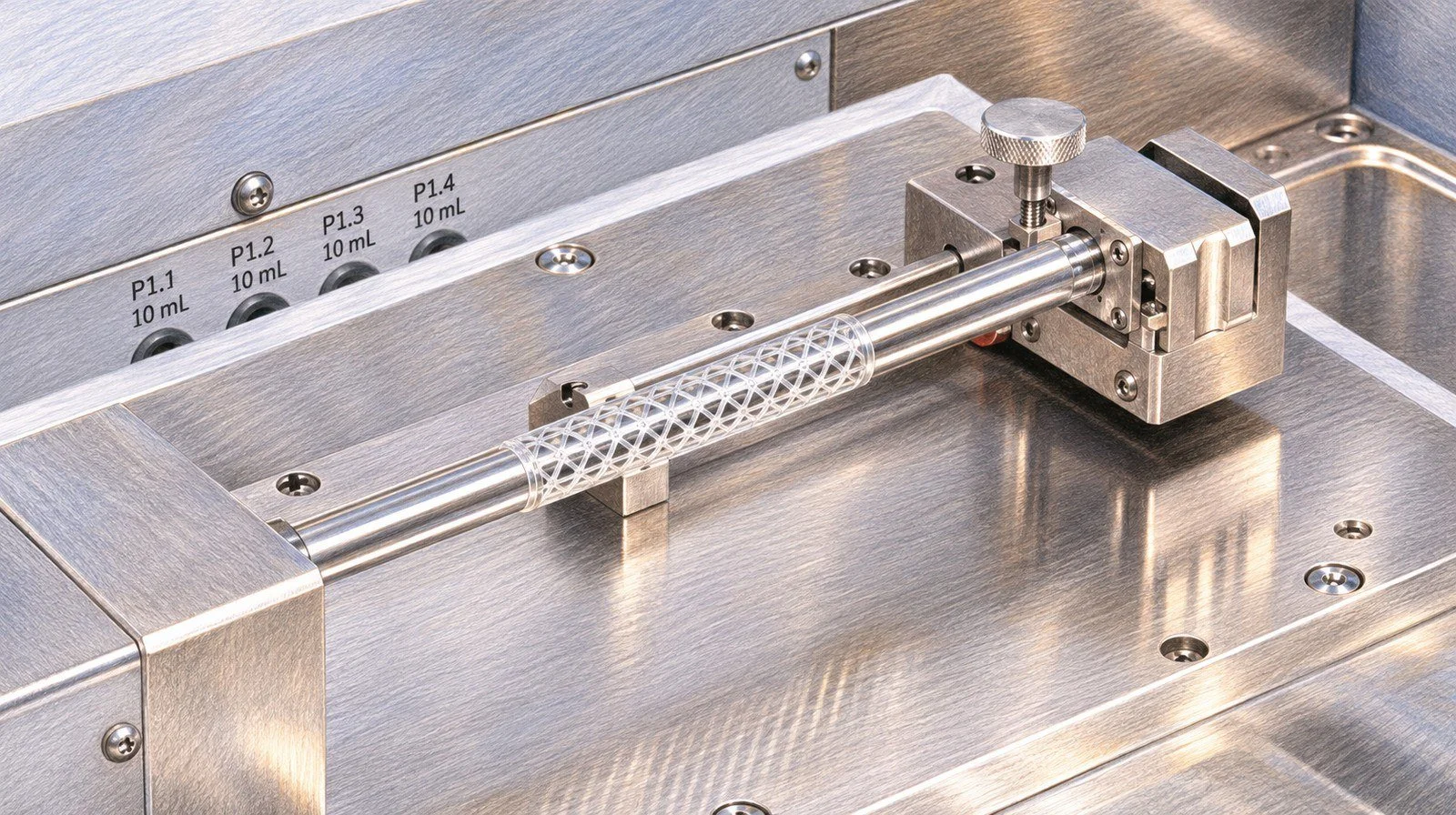
- Sterilizable material cartridges
- Easy to clean and sterilize
Software
- Full control of temperature, pressure and speed
- Temperature curves, up to five set points
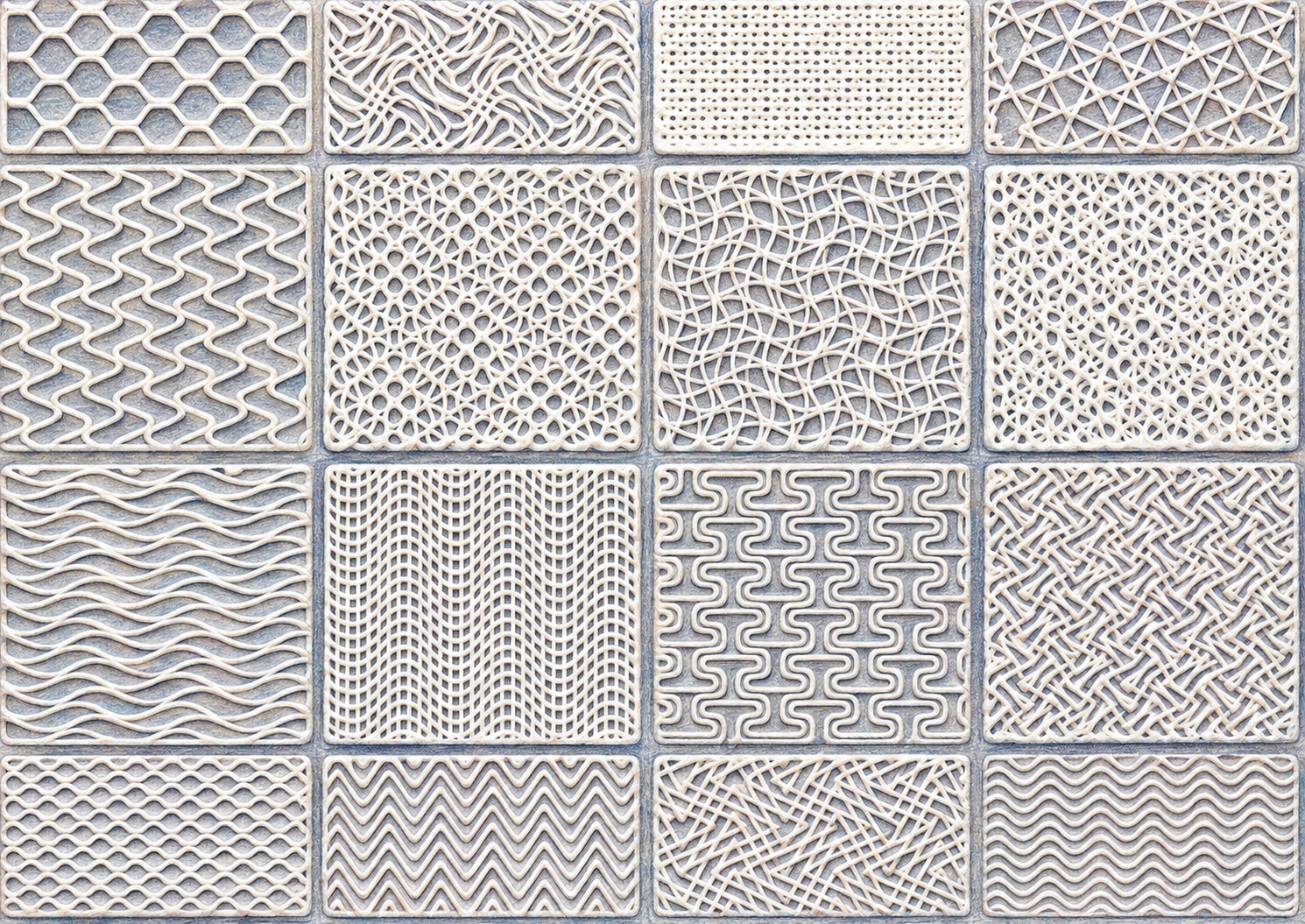
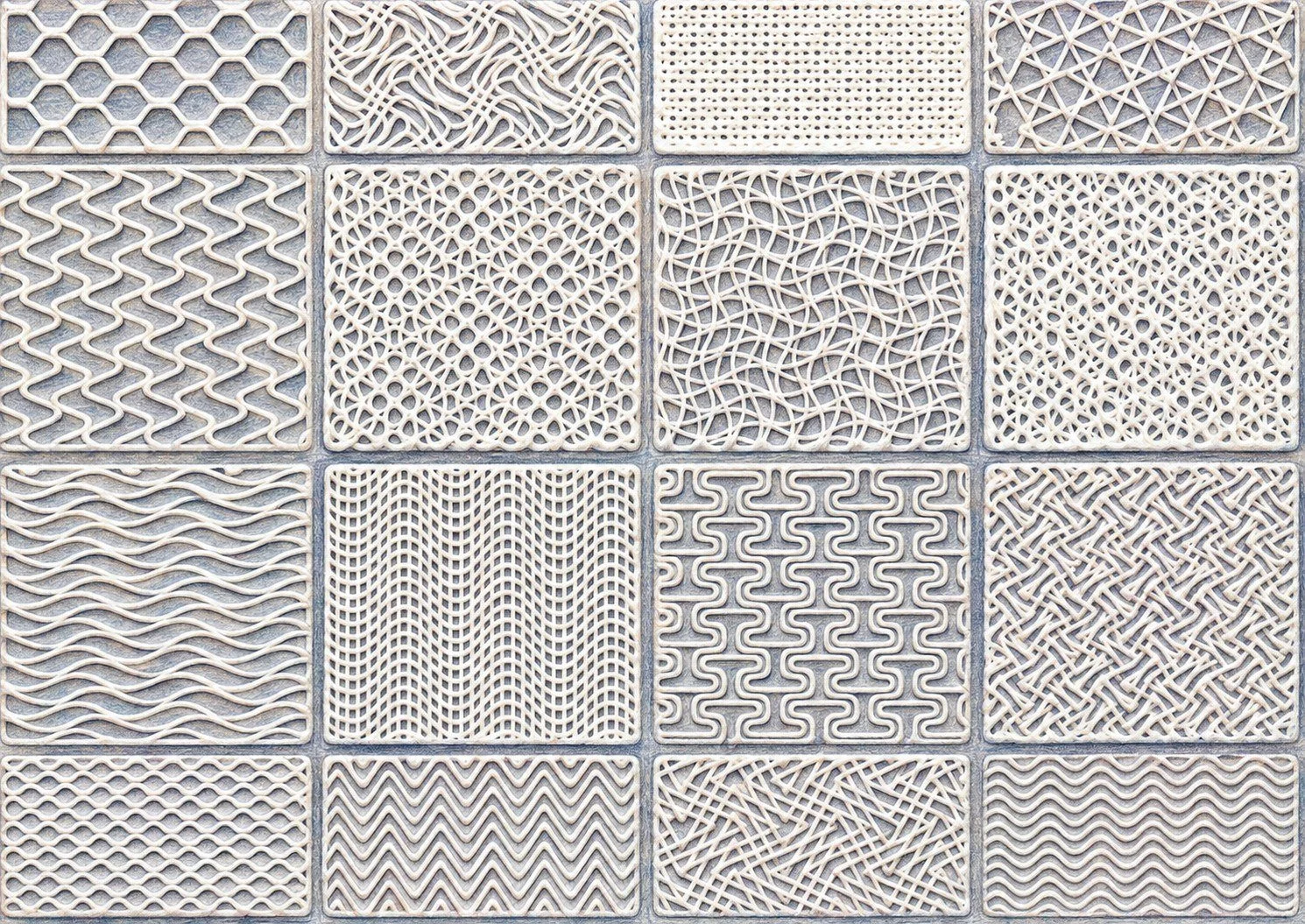
- Editable material and inner-pattern databases
- STL and 3MF input; auto volume supports
Quality & support
- Layer-by-layer photo log (Manufacturer)
- Material lifetime controls
- Multi-user management
- Remote support worldwide
Two configurations, one core platform
Developer Series
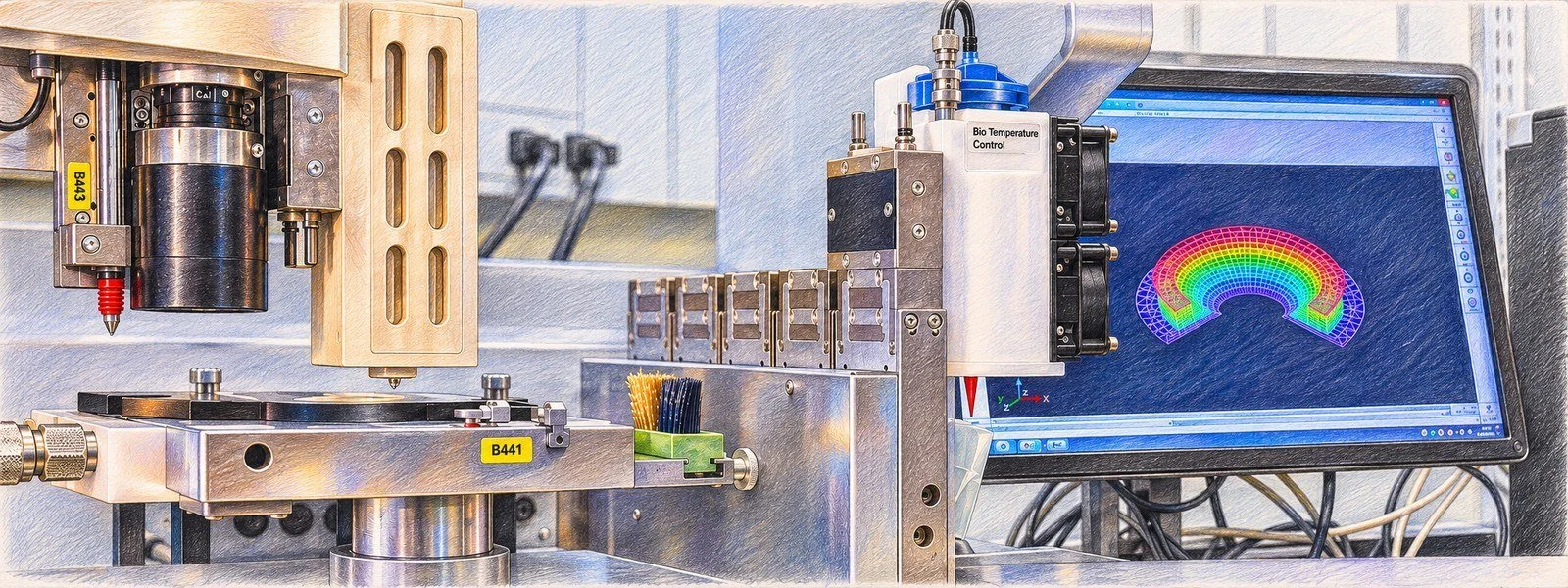
An affordable, highly capable biofabrication system for groups new to biofabrication. Same core hardware and software as the Manufacturer Series with reduced functionality; three printhead stations, light-sensor calibration, and an upgradable build platform.
Manufacturer Series
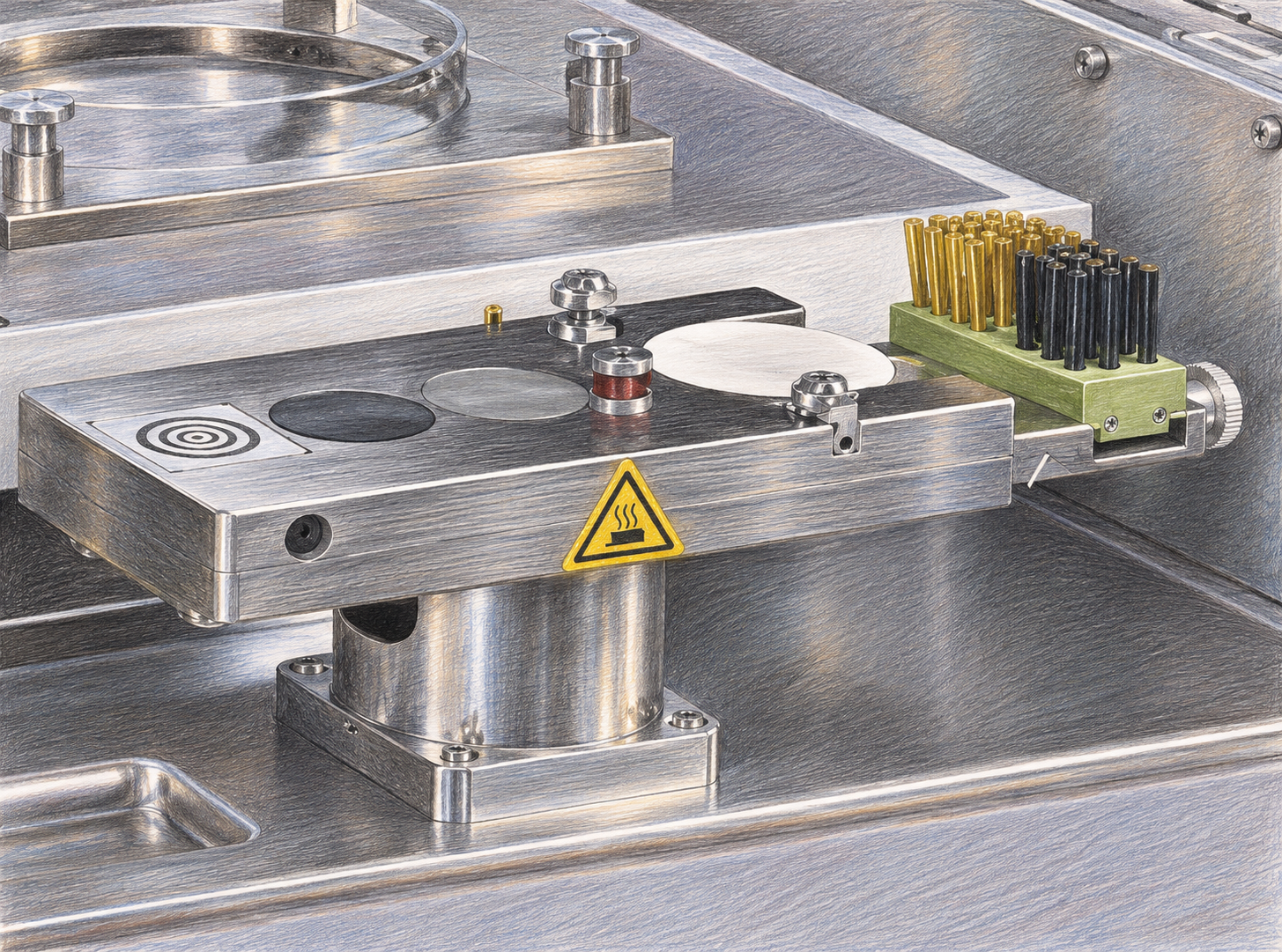
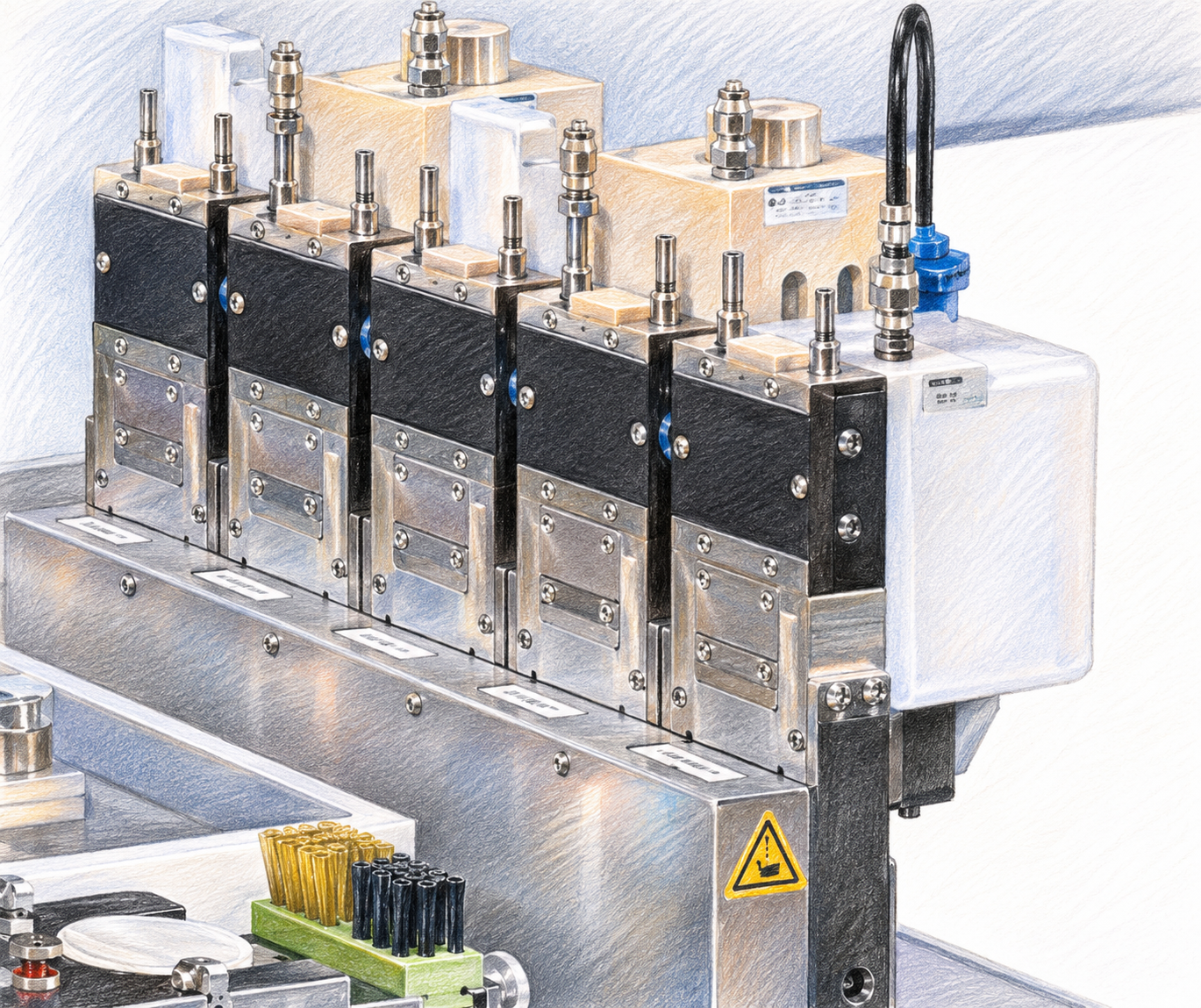
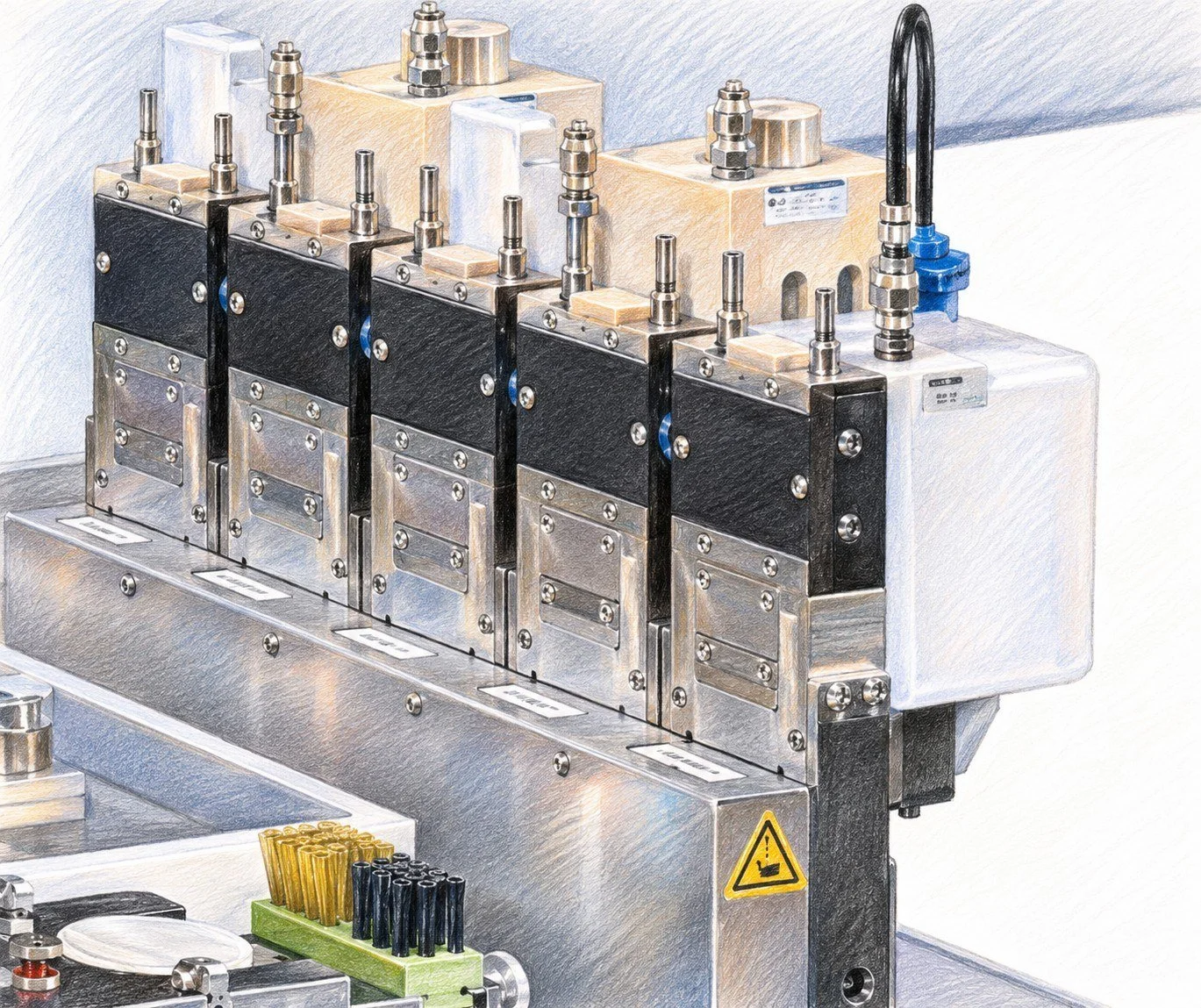
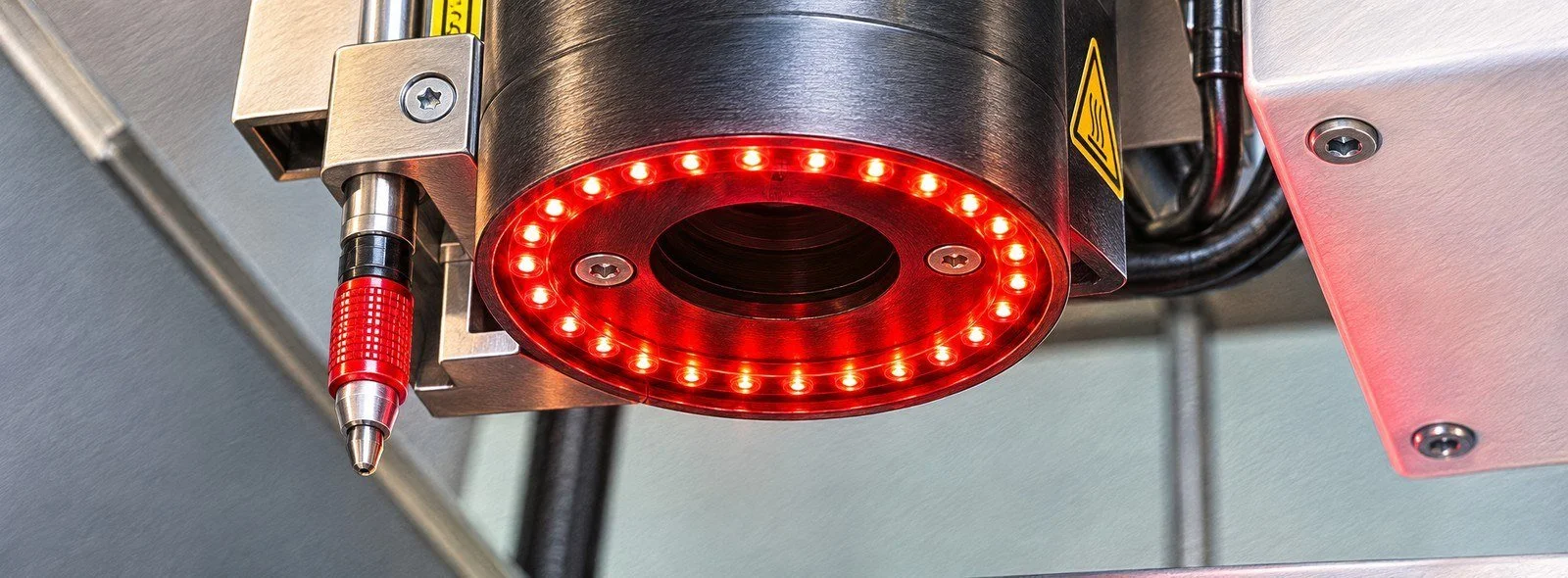
Built for advanced research and commercial production. Five stations, an on-board high-definition camera for calibration and photographic logs, micron-level accuracy, and a temperature-controlled build plate as standard.
| Feature | Developer | Manufacturer |
|---|---|---|
| Footprint (L × W × H) | 976 × 623 × 773 mm | 976 × 623 × 773 mm |
| Max build envelope | 200 × 220 × 140 mm | 200 × 220 × 140 mm |
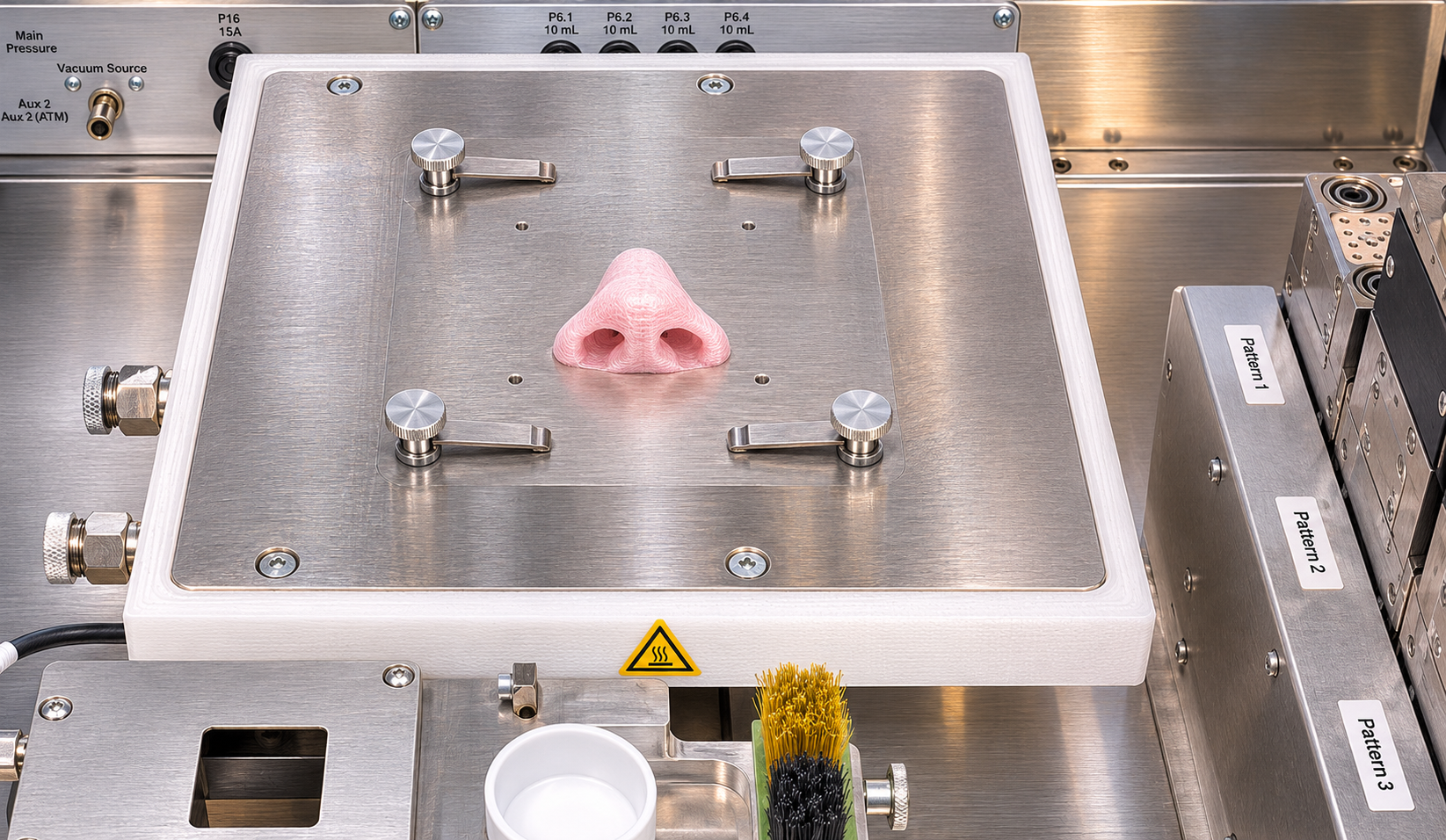
| Temperature-controlled build platform (−10 °C to 80 °C) | Optional | Standard |
| Needle tip calibration accuracy, XY | 30 µm | 9 µm |
| Needle tip calibration accuracy, Z | 30 µm | 1 µm |
| High-resolution camera for logs | Not offered | Standard |
| Calibration method | Automated, light sensor (XYZ) | Camera (XY); pressure sensor (Z) |
| Modular printhead stations | 3 | 5 |
| Printheads | 2 standard, 8 available | 2 standard, 8 available |
| Particle and sterile filters | Standard | Standard |
| Industrial PC with automatic backup | Standard | Standard |
| Temperature curves | 5 points | 5 points |
| Substrate height sensor | Standard | Standard |
Key differences
Five vs. three printhead stations for multi-material builds.
HD camera on the Manufacturer Series for calibration and photo logs of every build.
Upgradable Developer build plate, to the same −10 °C to 80 °C control.
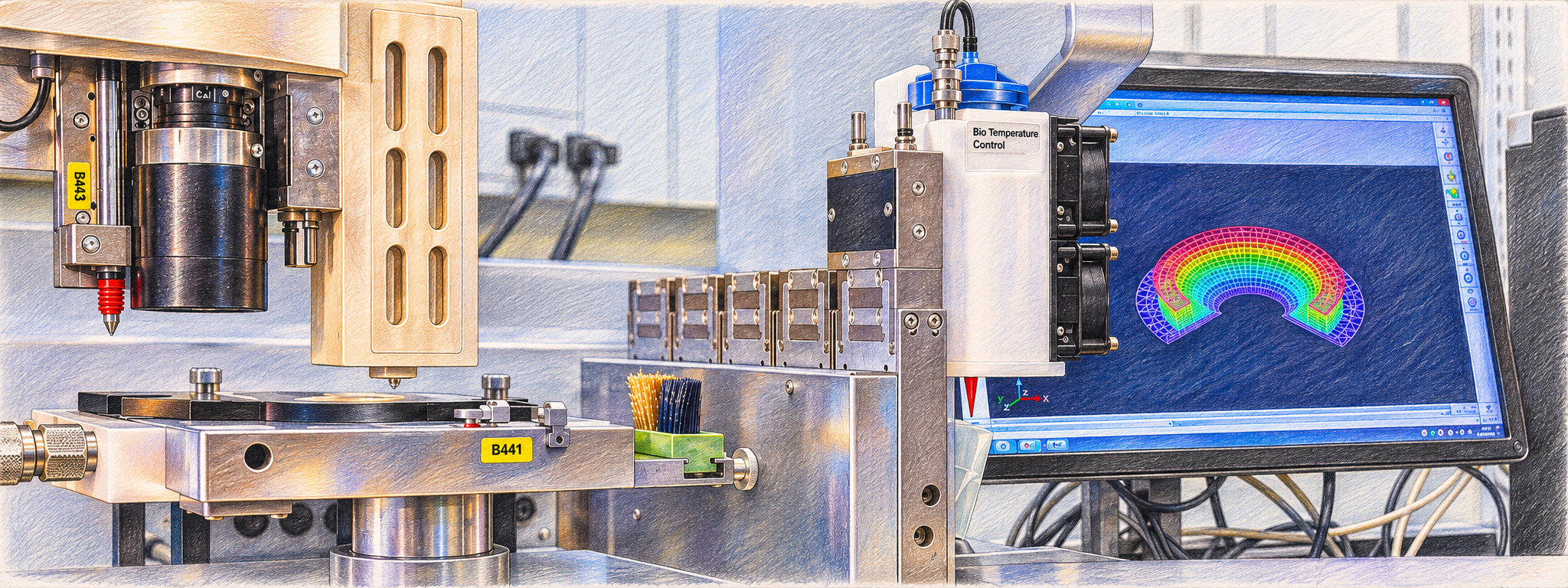
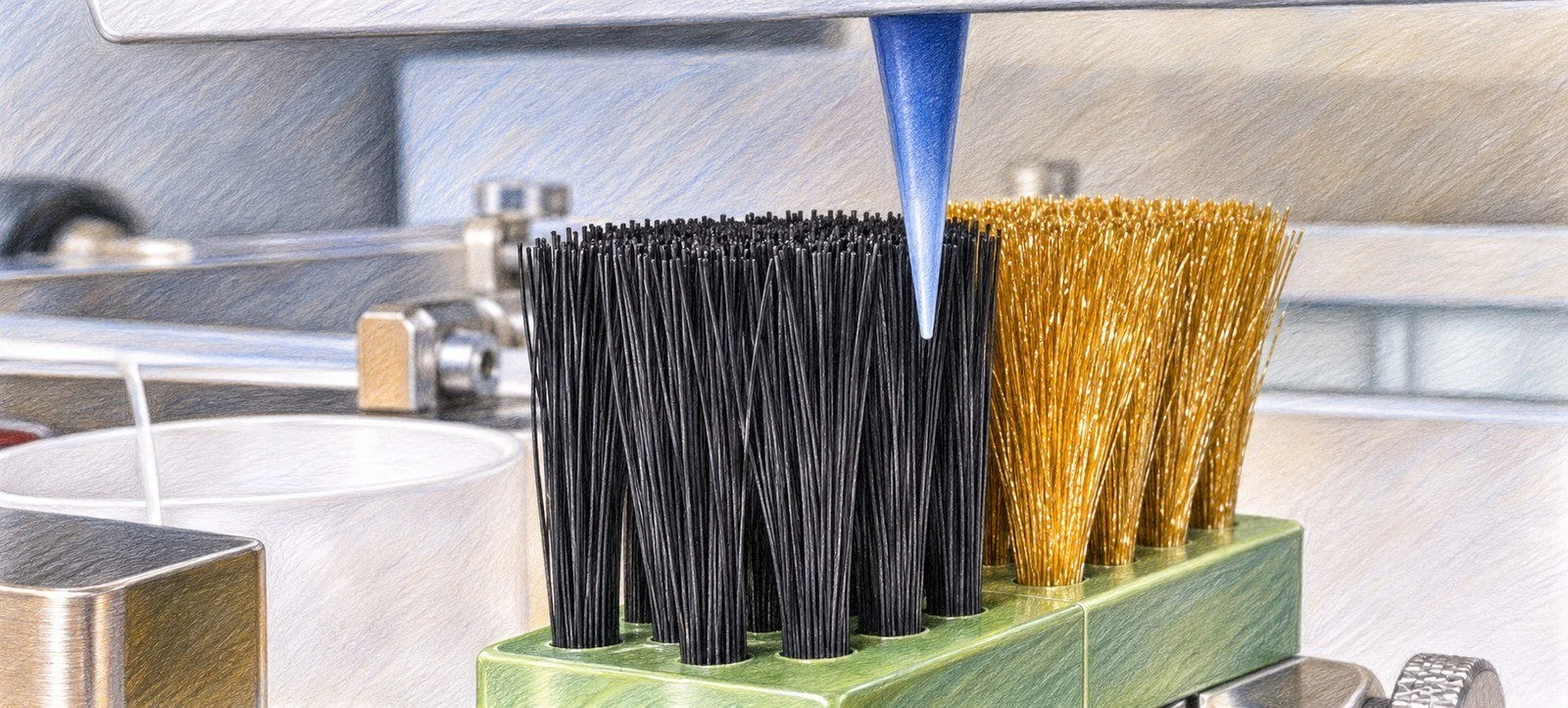
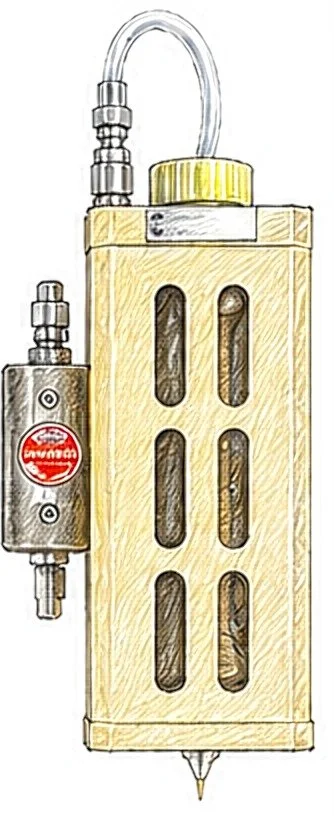
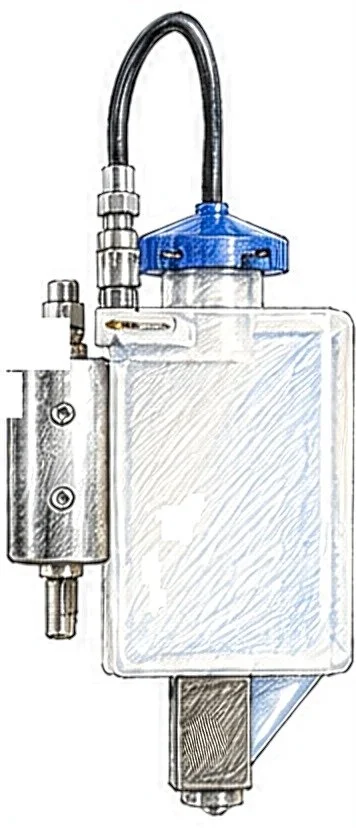
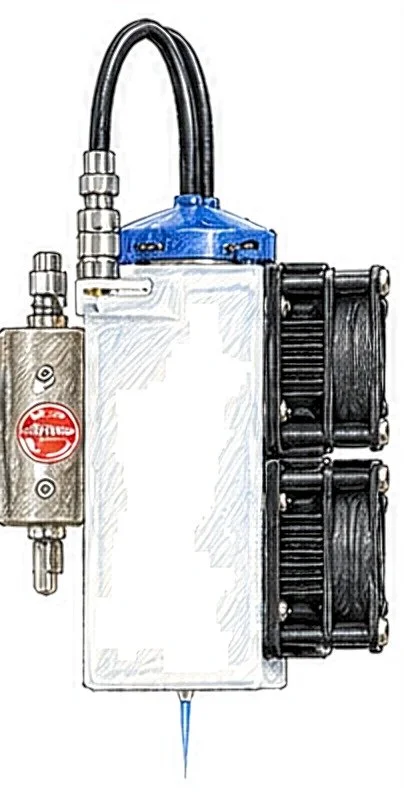
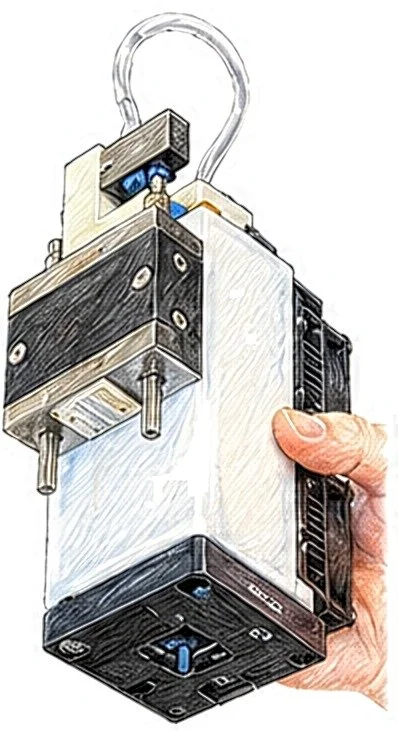
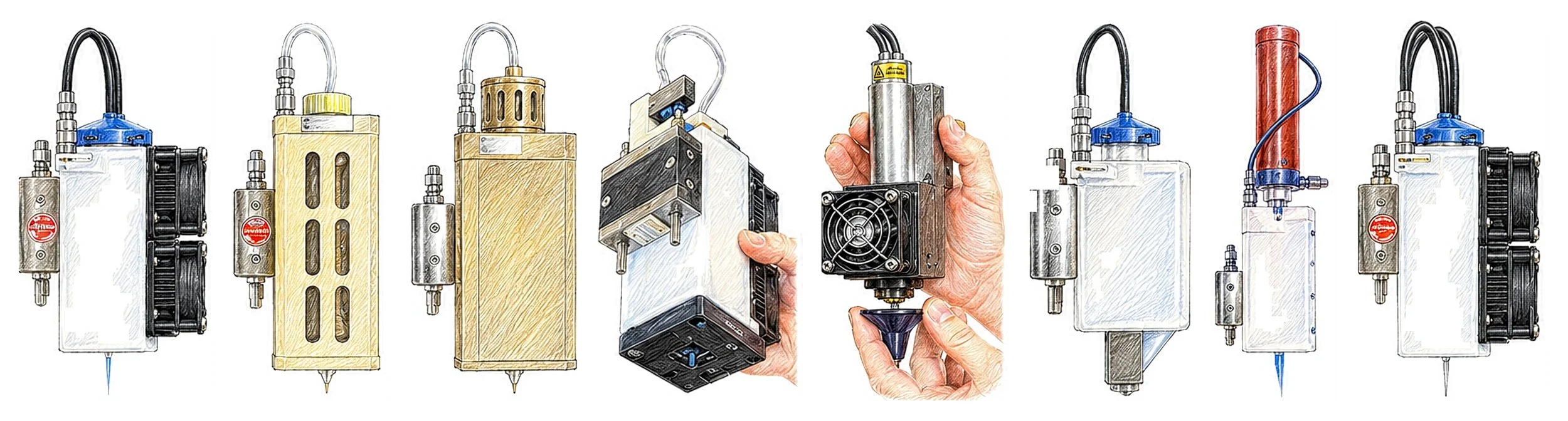
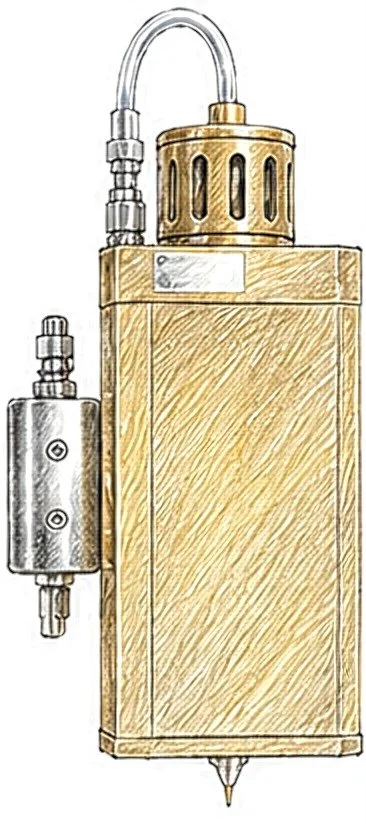
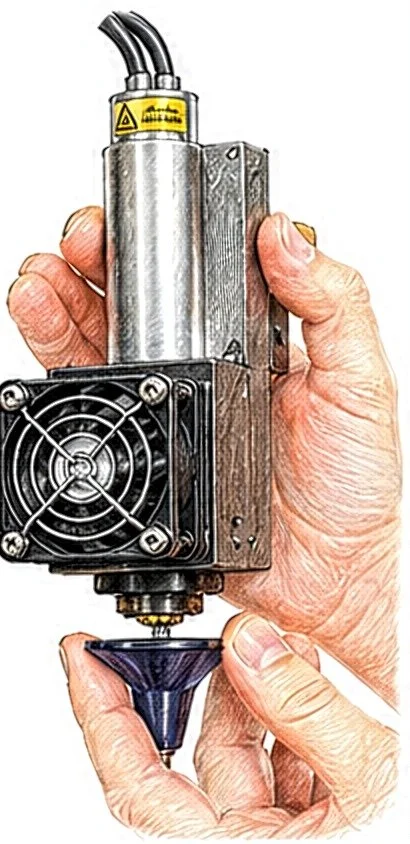
Eight modular printheads
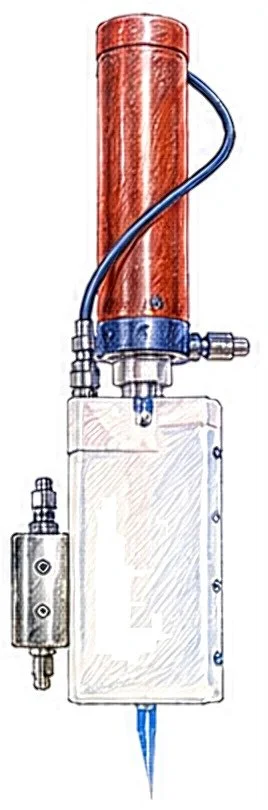
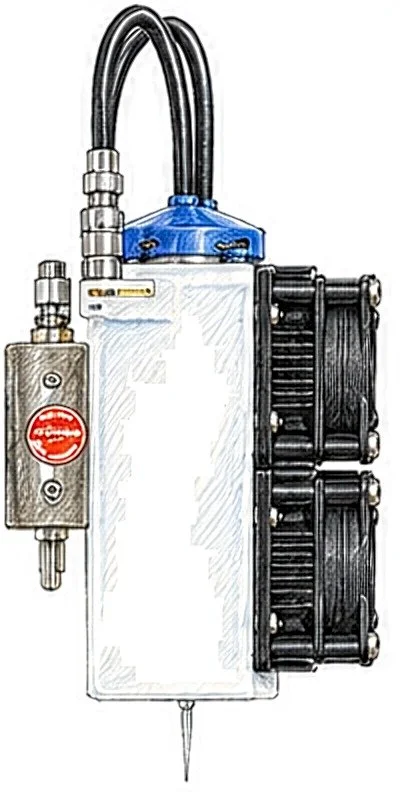
The widest temperature range in biofabrication. Add heads years after purchase, swap combinations per project, and let the software pick up and park them for multi-material builds.
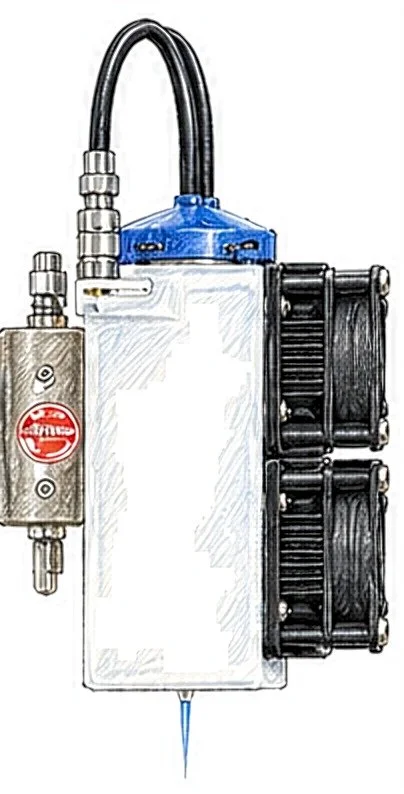
Low-Temperature
Hydrogels, ceramic and metal pastes, mixtures with organic solvents, silicones.
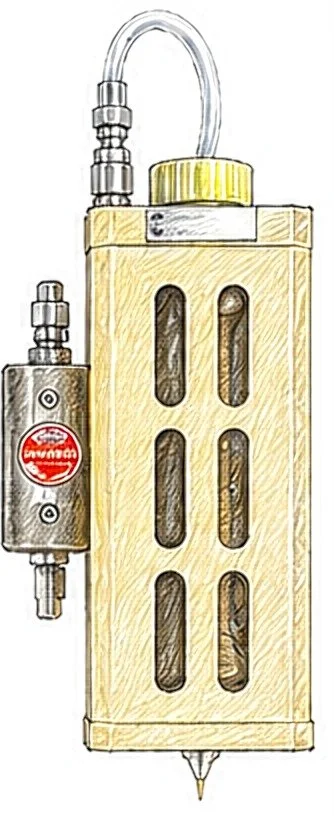
High-Temperature
Thermoplastics and thermosensitive hydrogels.
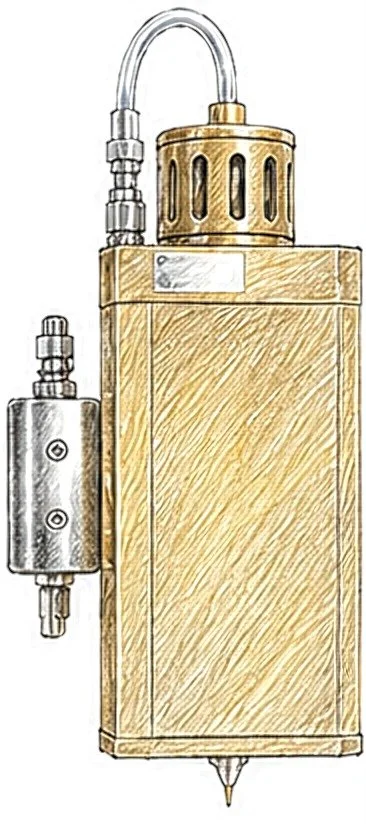
Ultra-High-Temperature
Thermoplastics, thermosensitive hydrogels and PEEK.
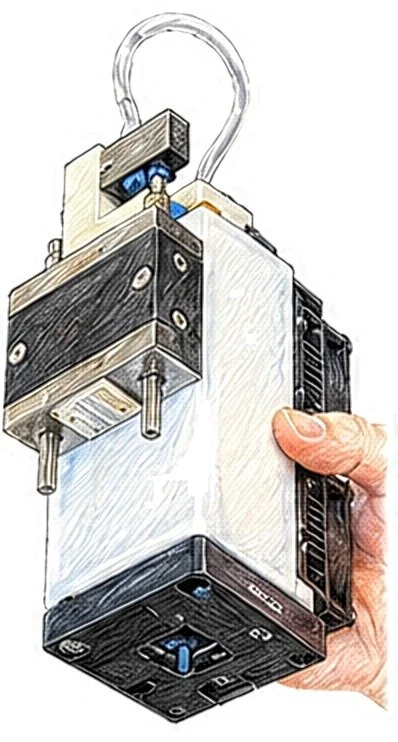
Print and Cure
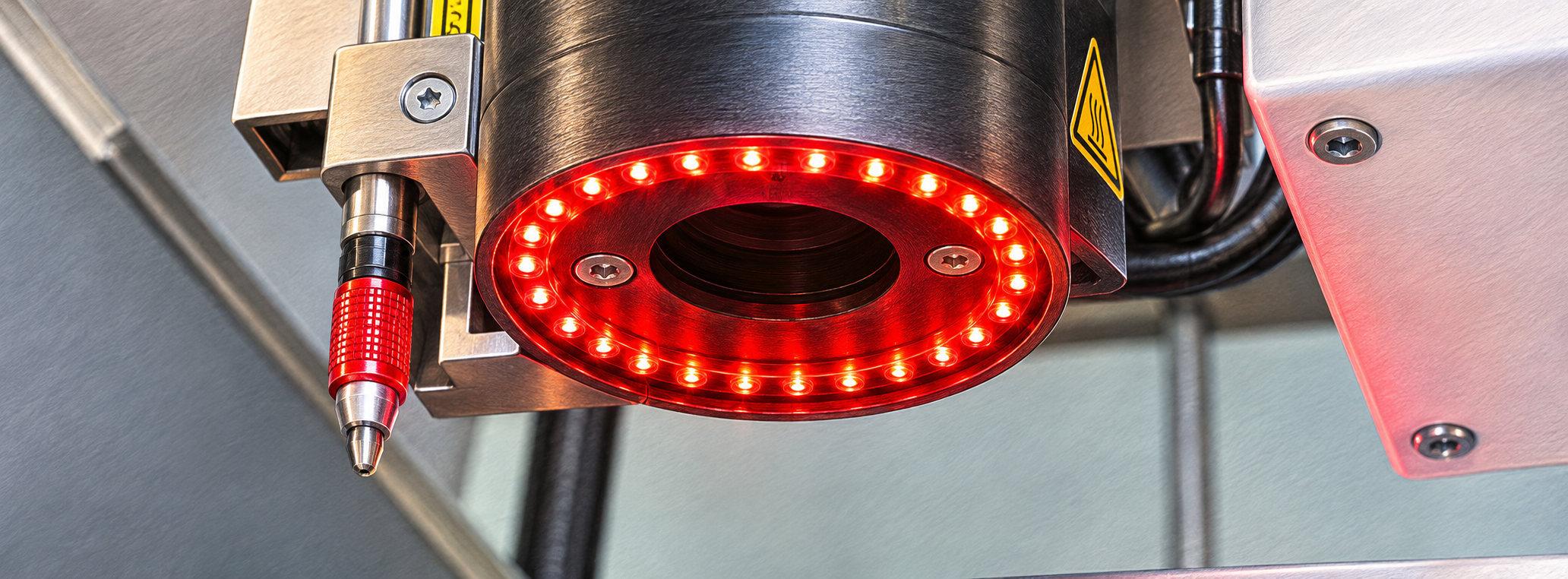
Light-curable hydrogels, pastes and silicones. 365 / 405 nm, ~65 mW/cm².
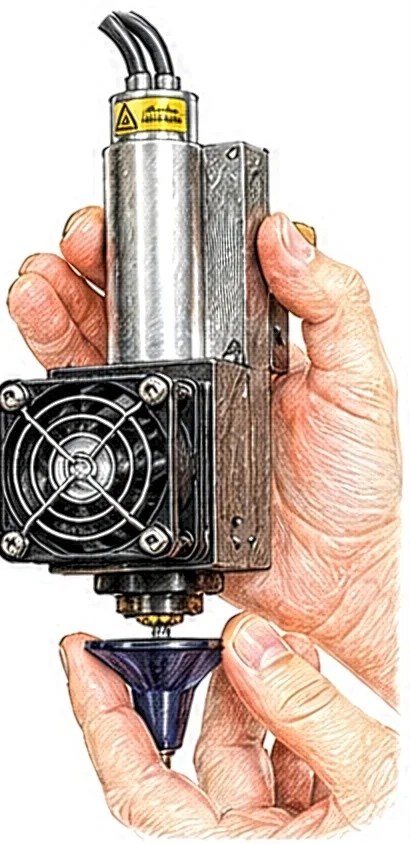
Photo Curing
Light source only, 365–455 nm, ~150 mW/cm².
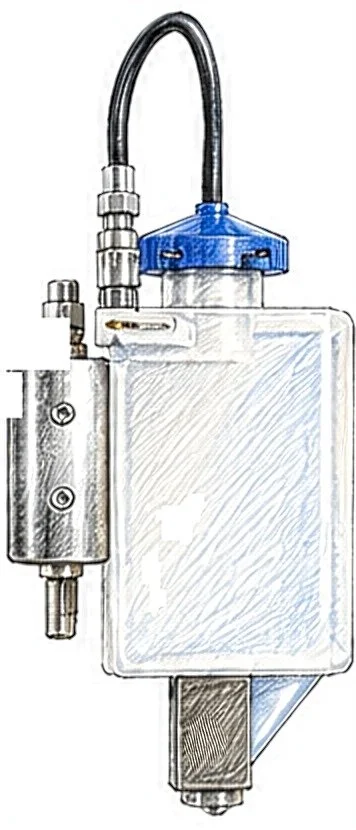
Inkjet
Low-viscosity hydrogels, cell suspensions and solutions.
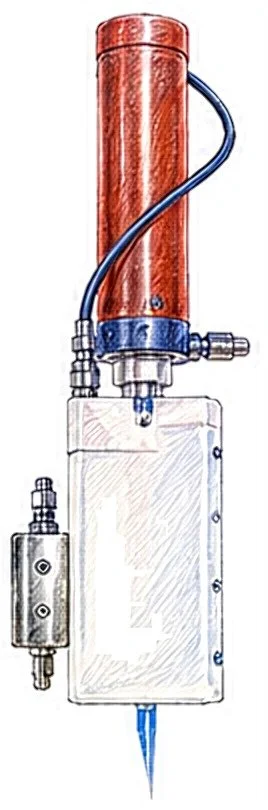
2-Component
Two-component silicones.
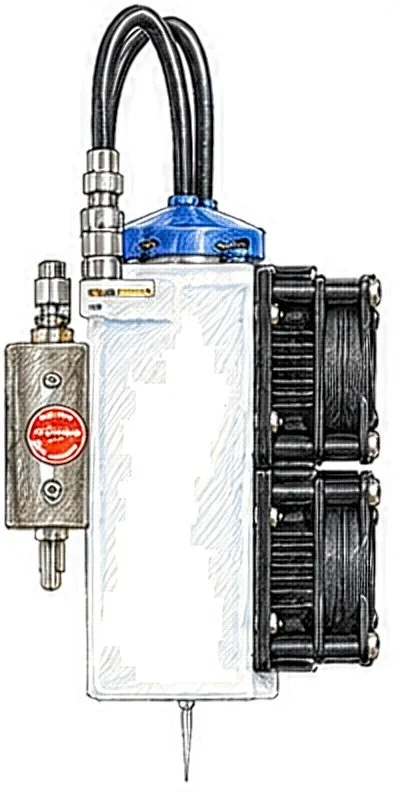
Co-Axial
Hydrogels and two-part systems that solidify on contact, such as alginate with calcium chloride.
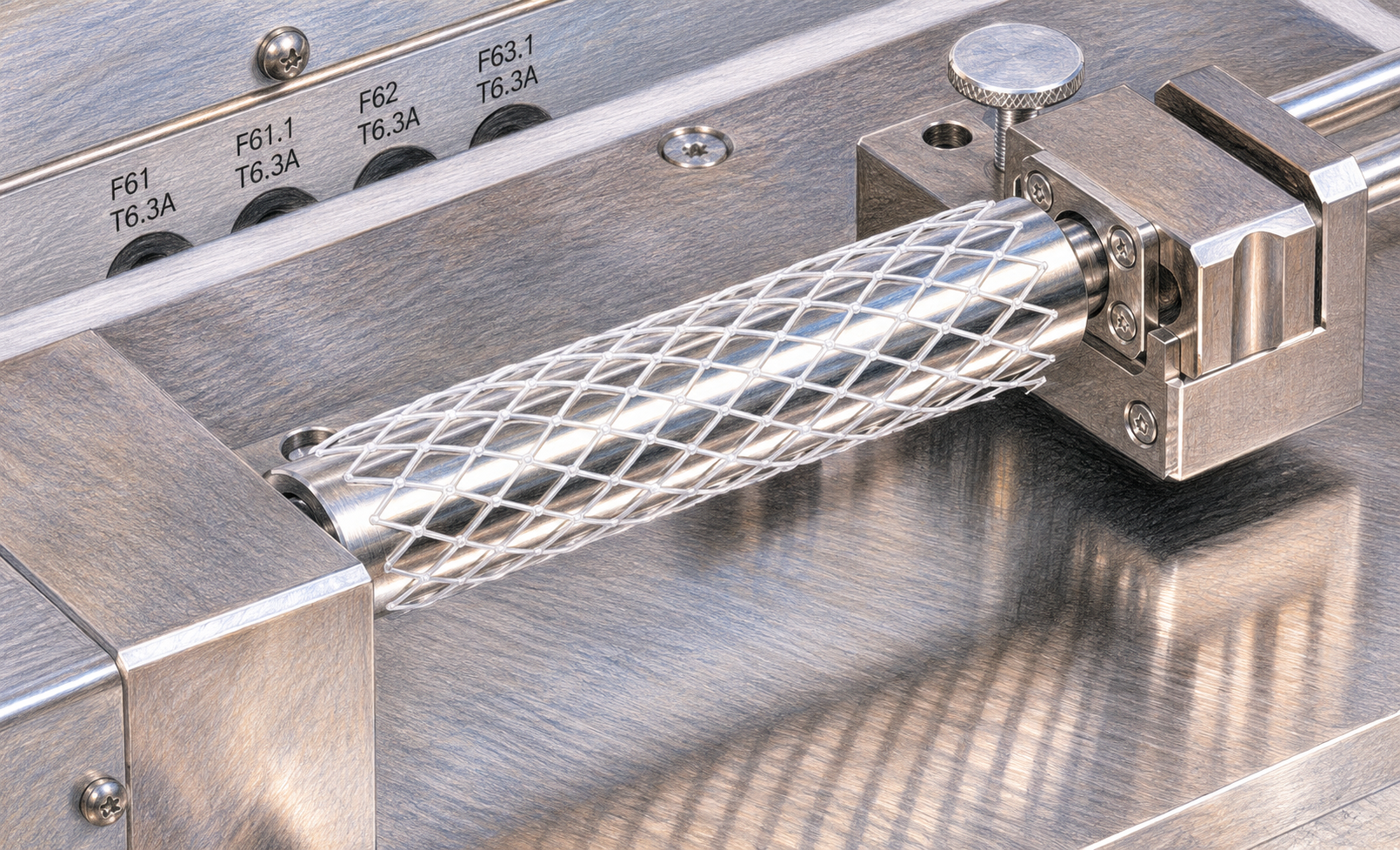
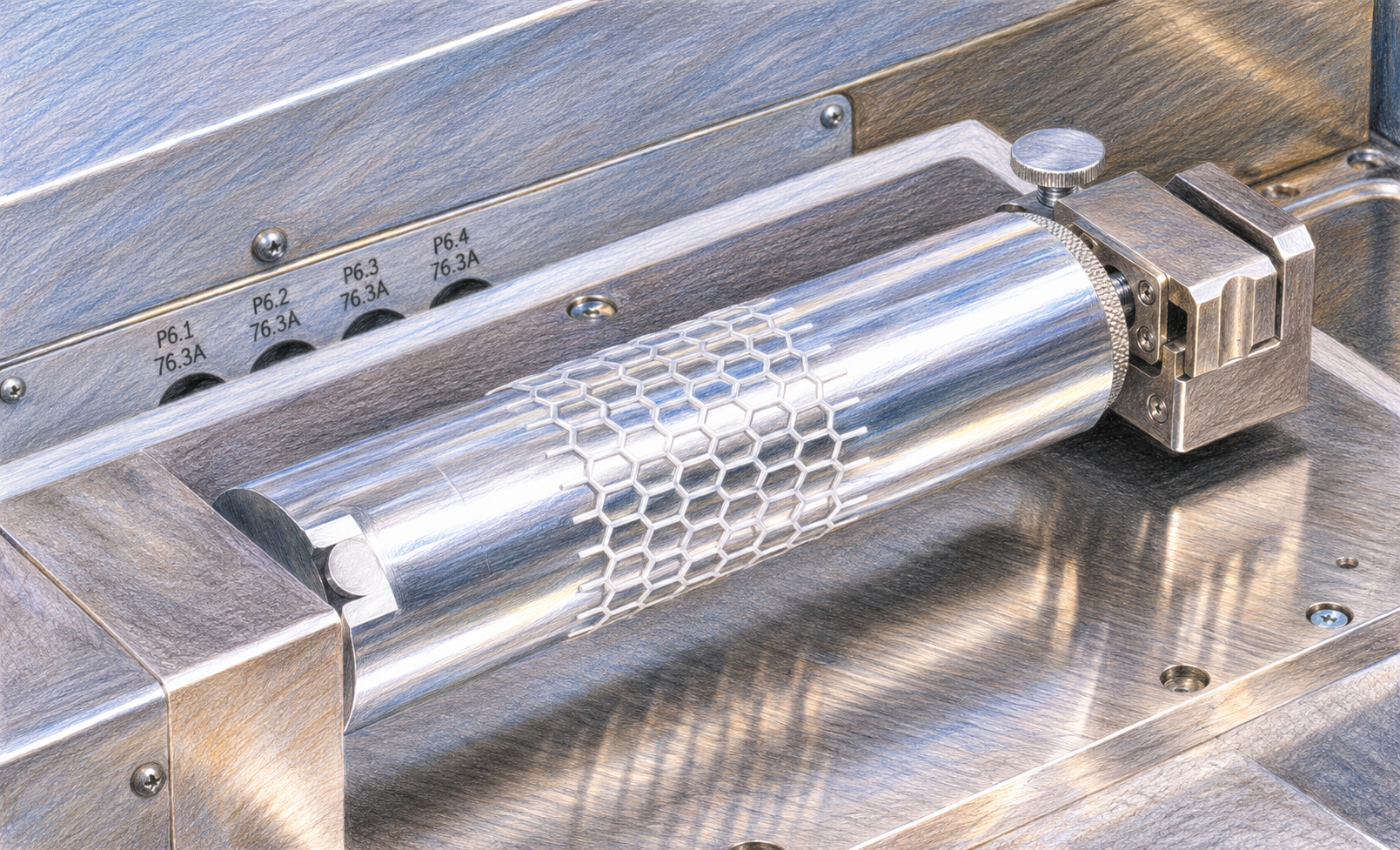
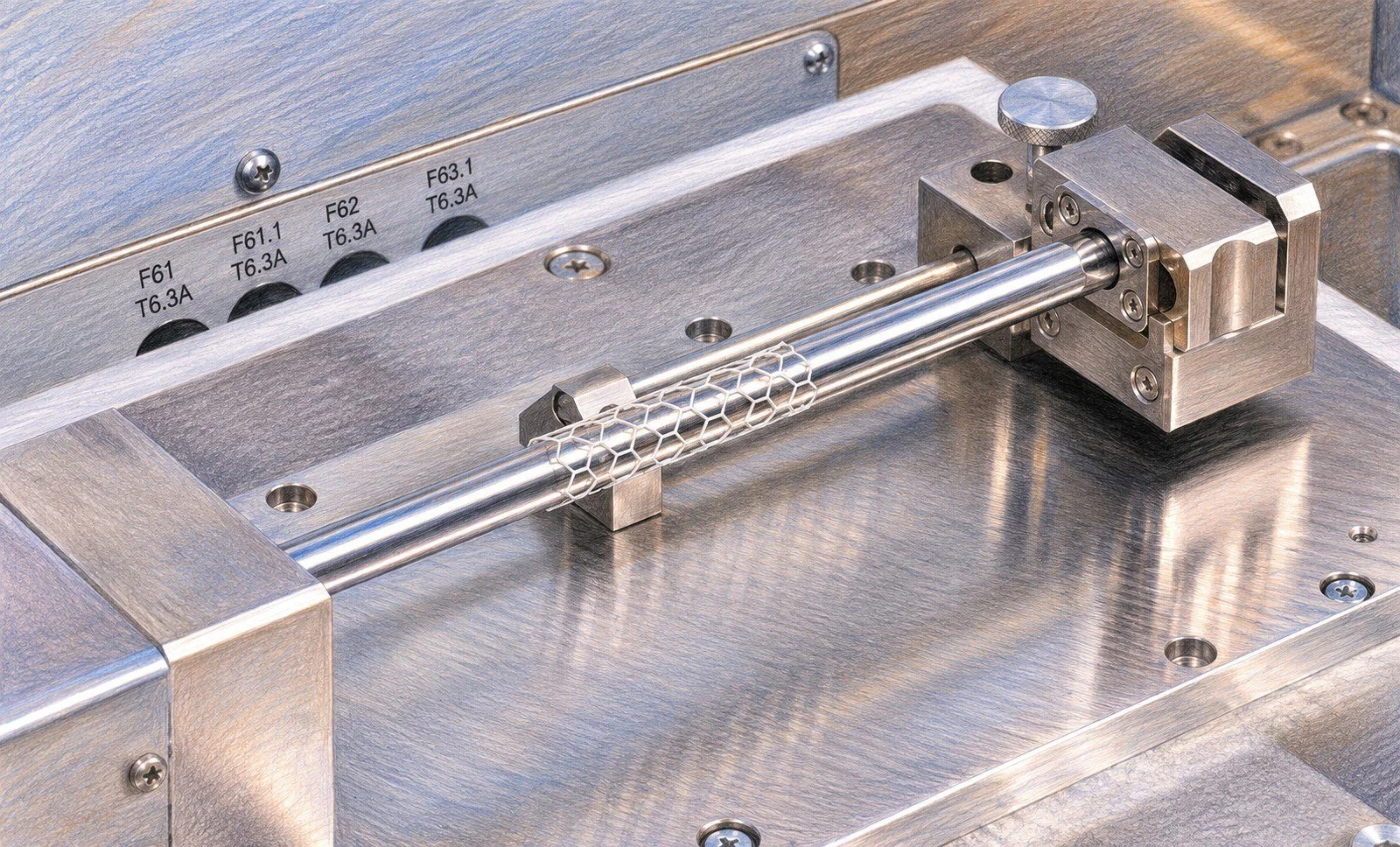
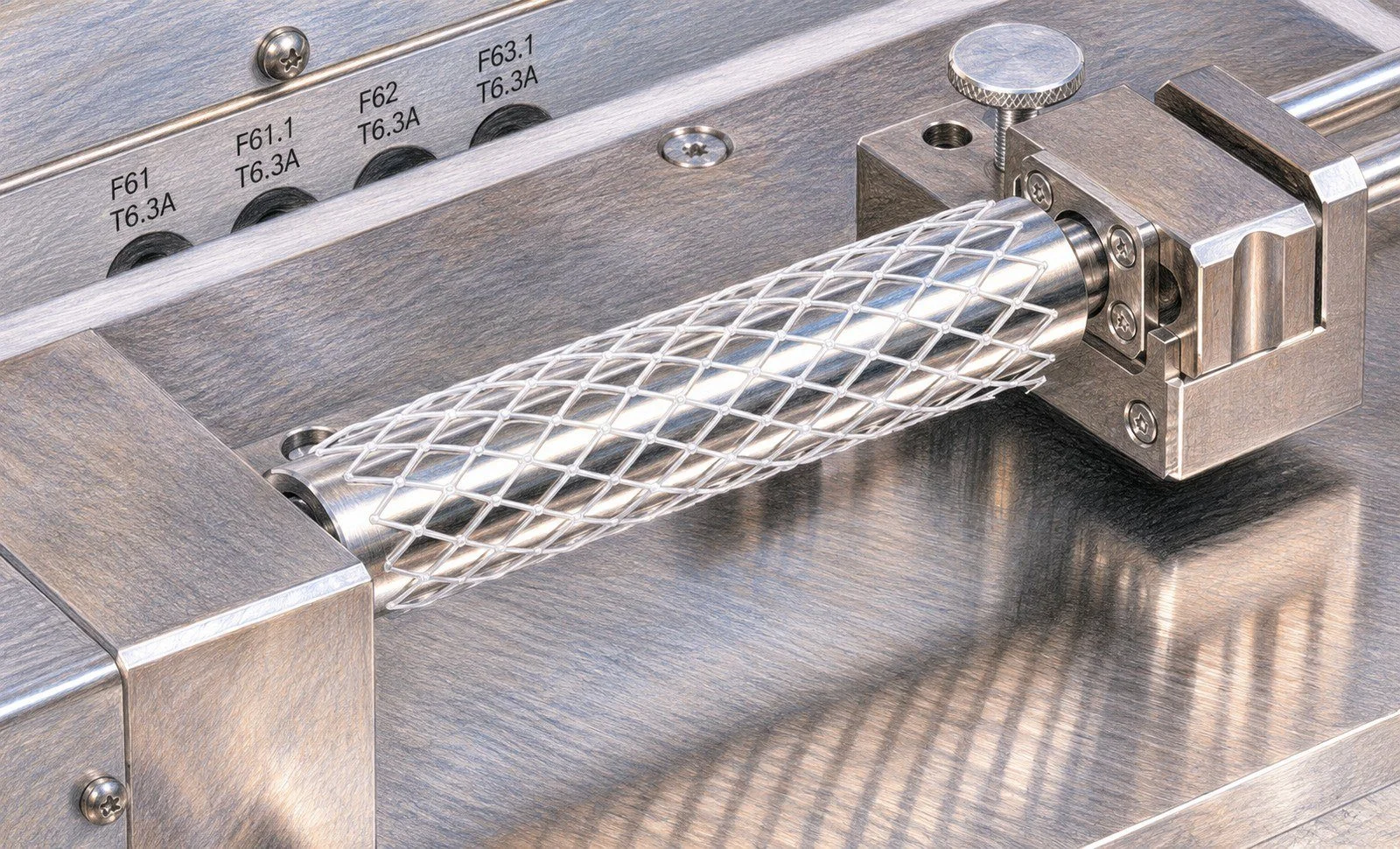
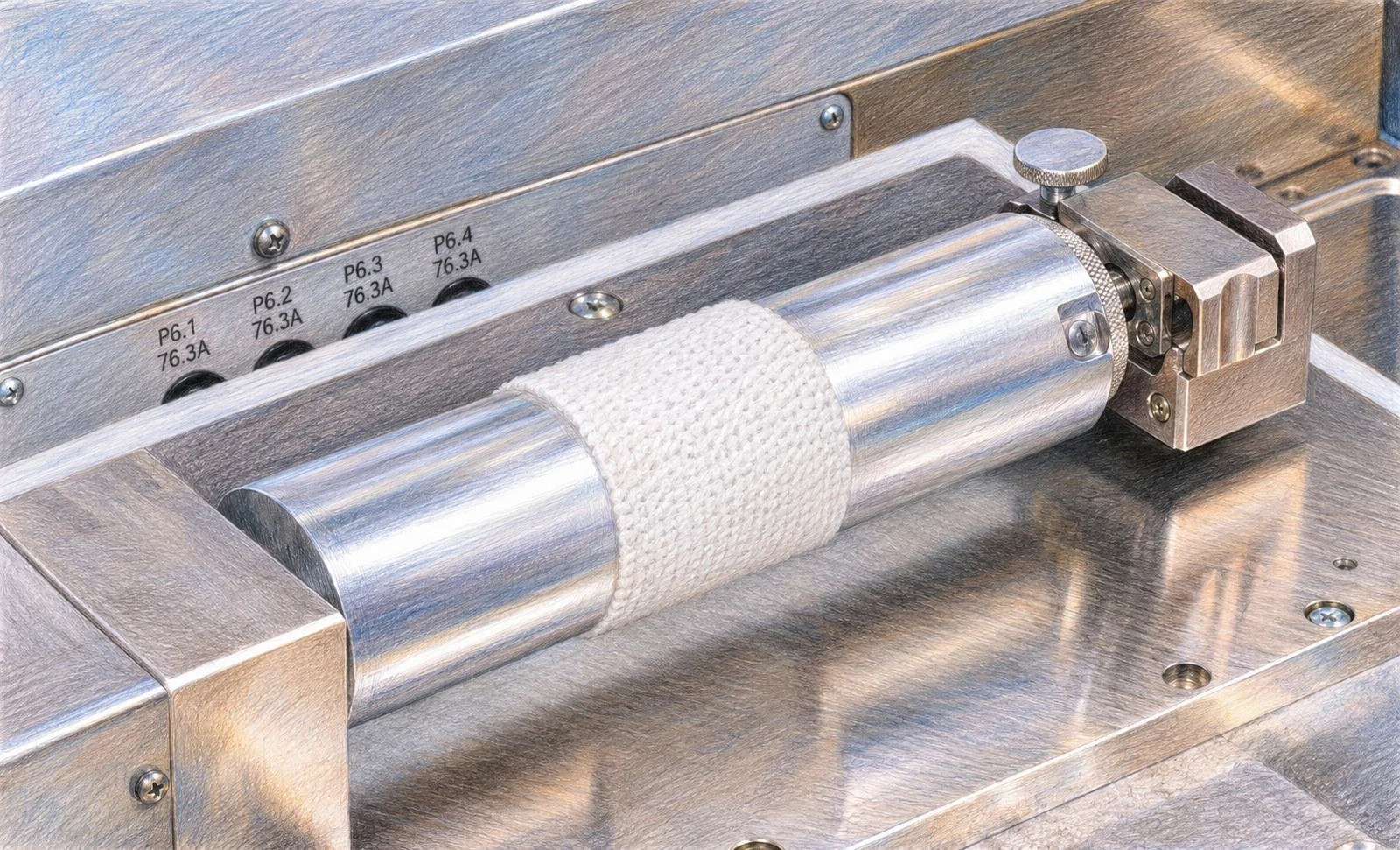
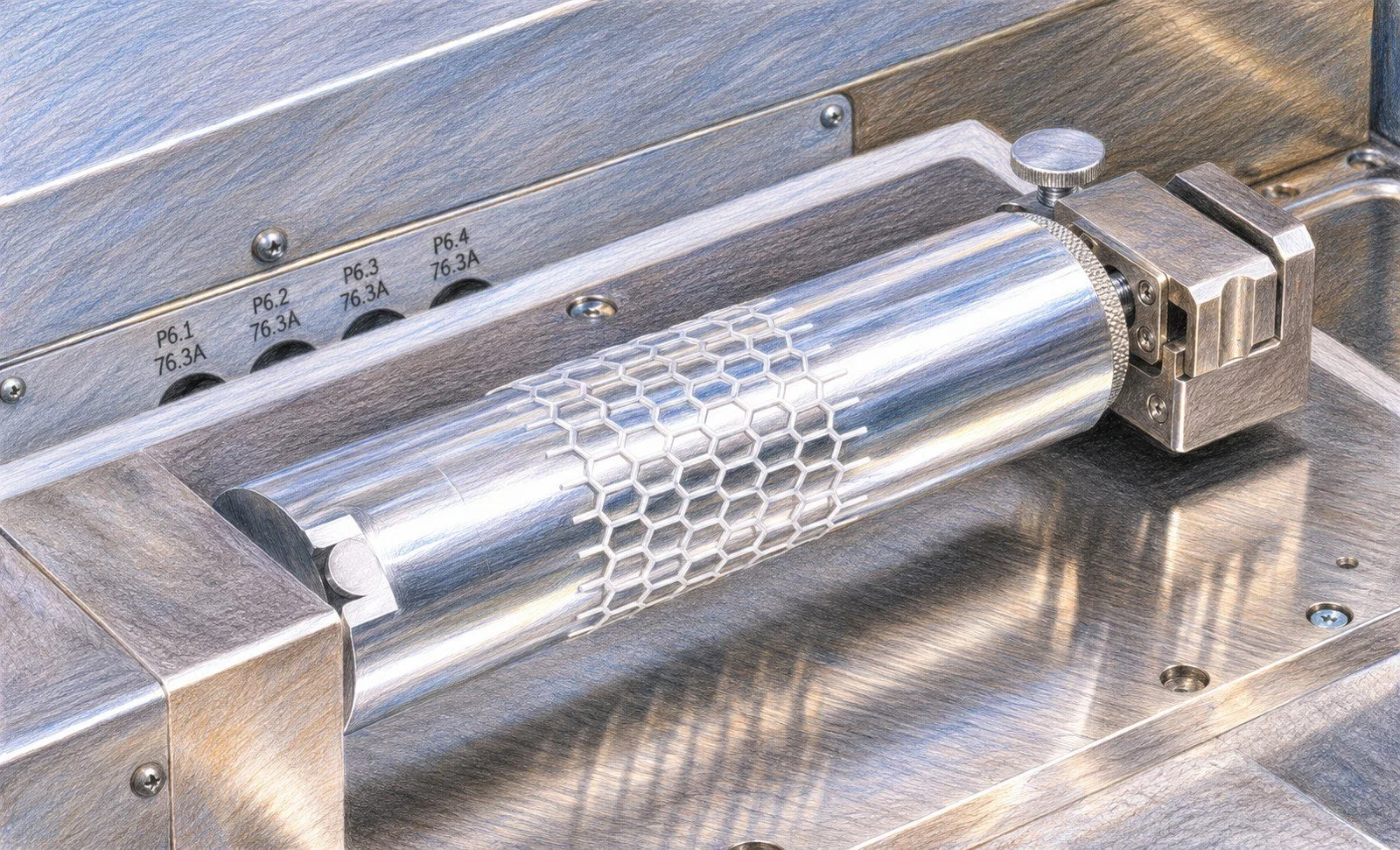
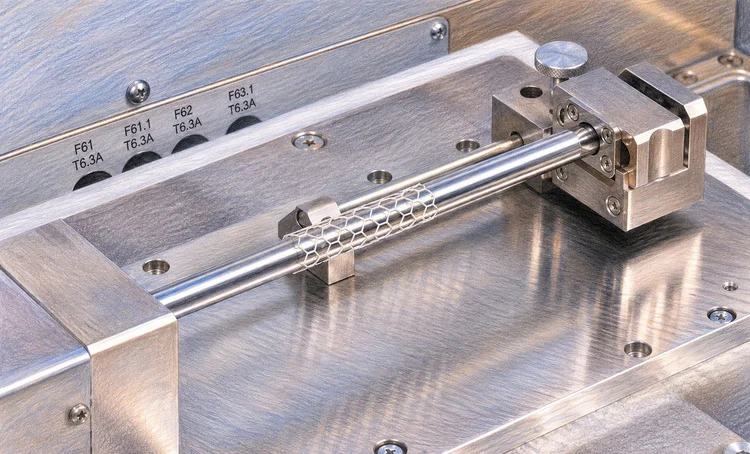
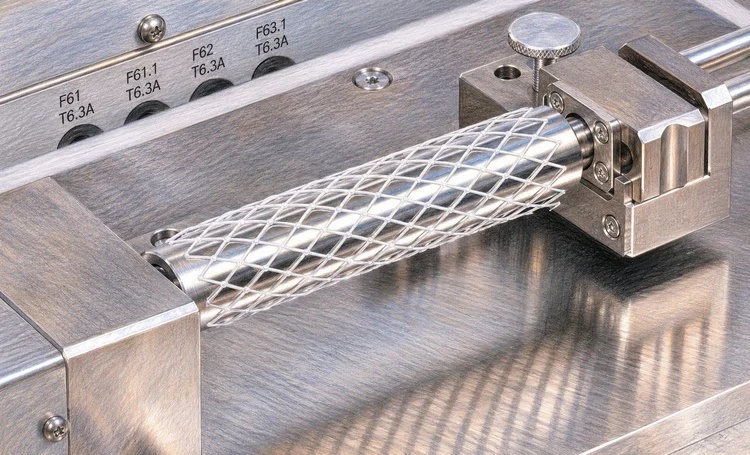
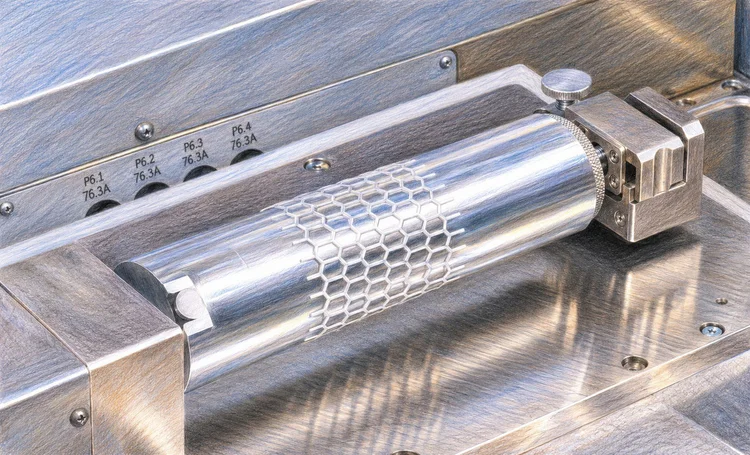
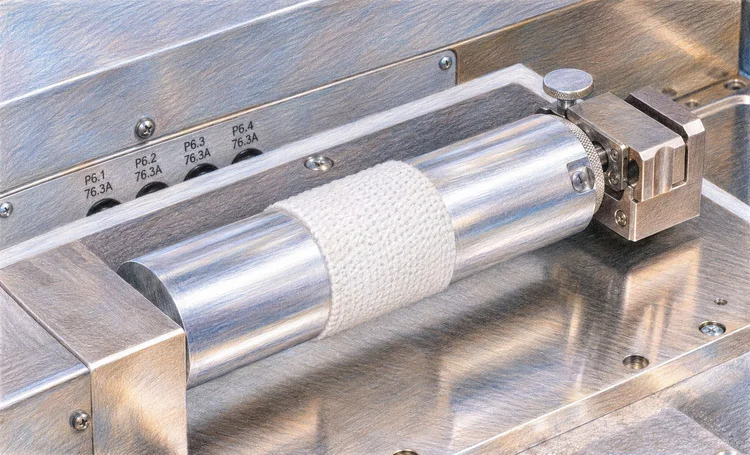
PrintRoll™
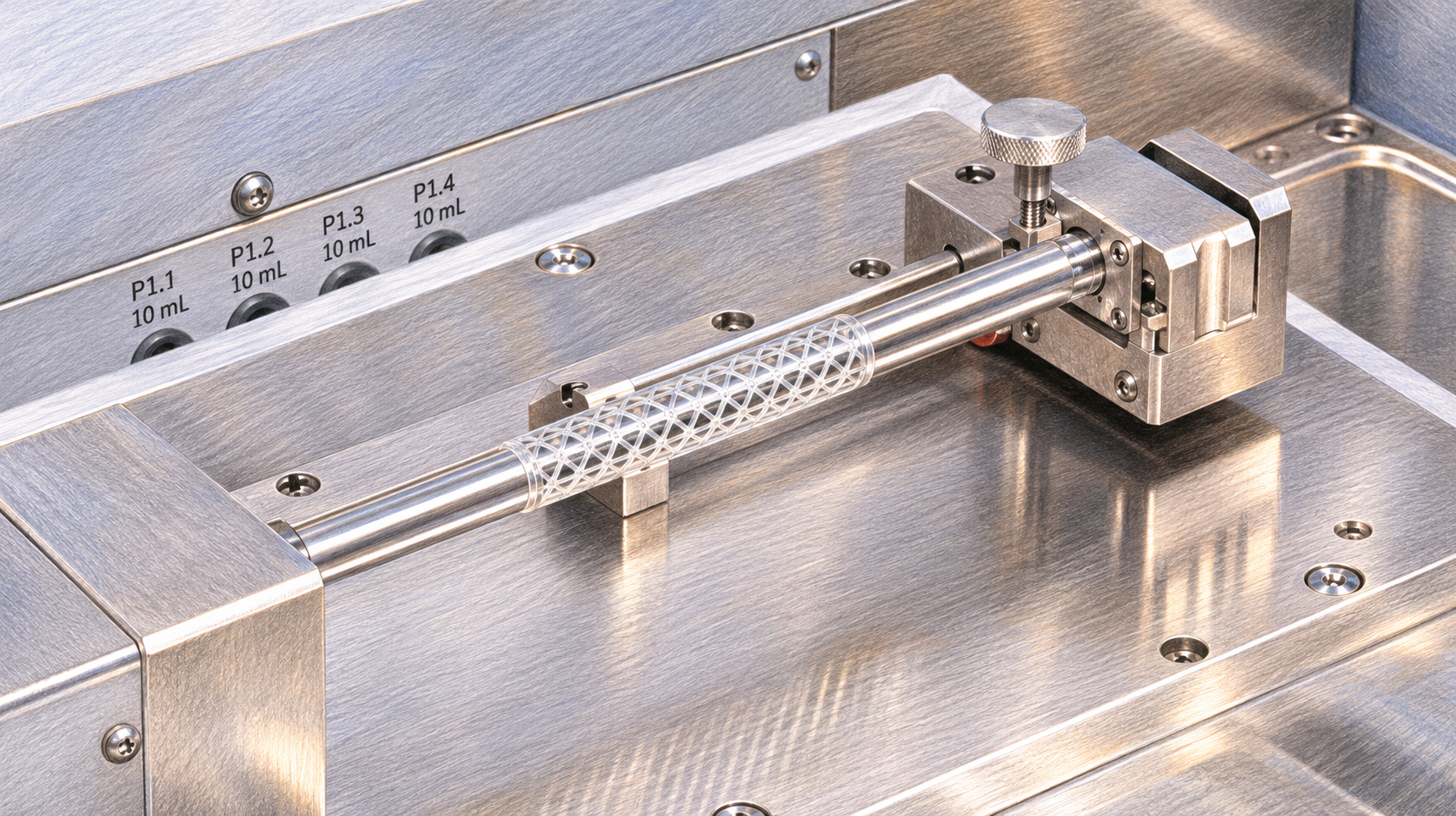
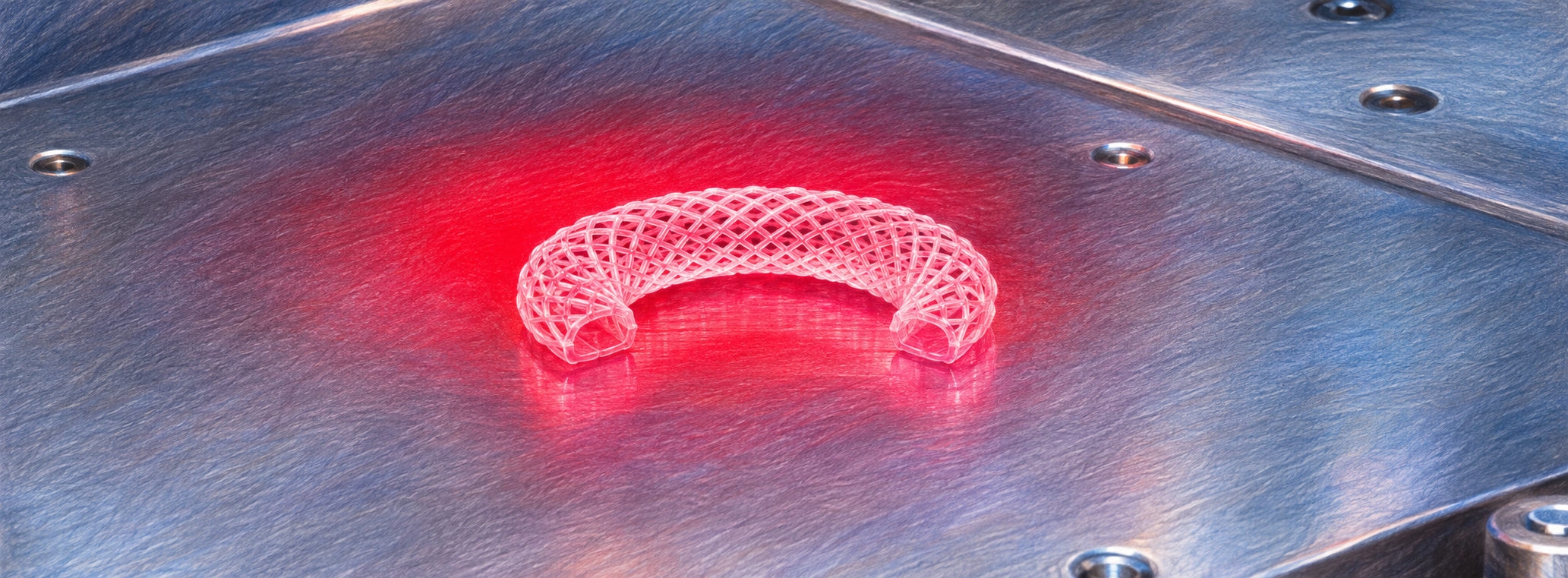
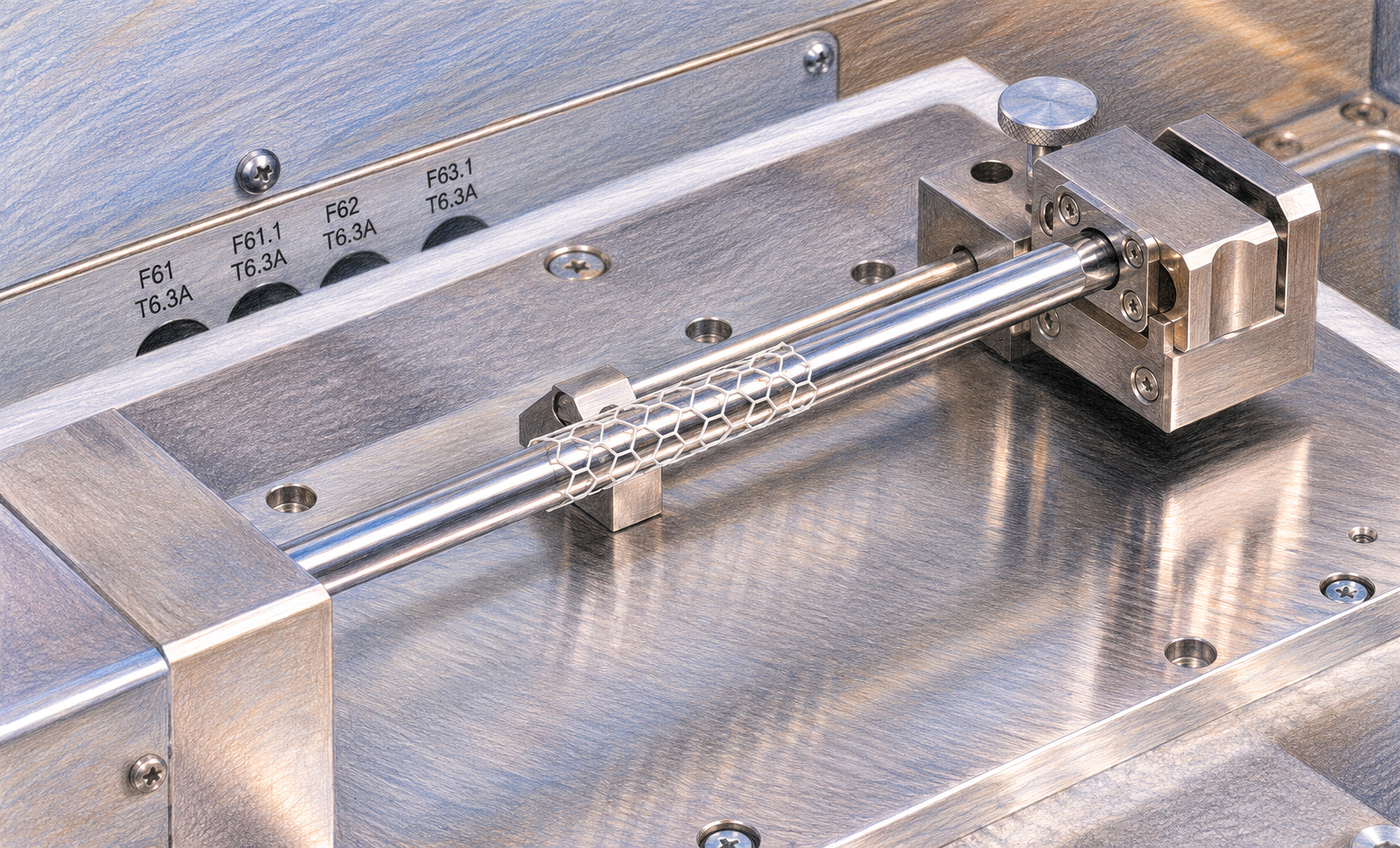
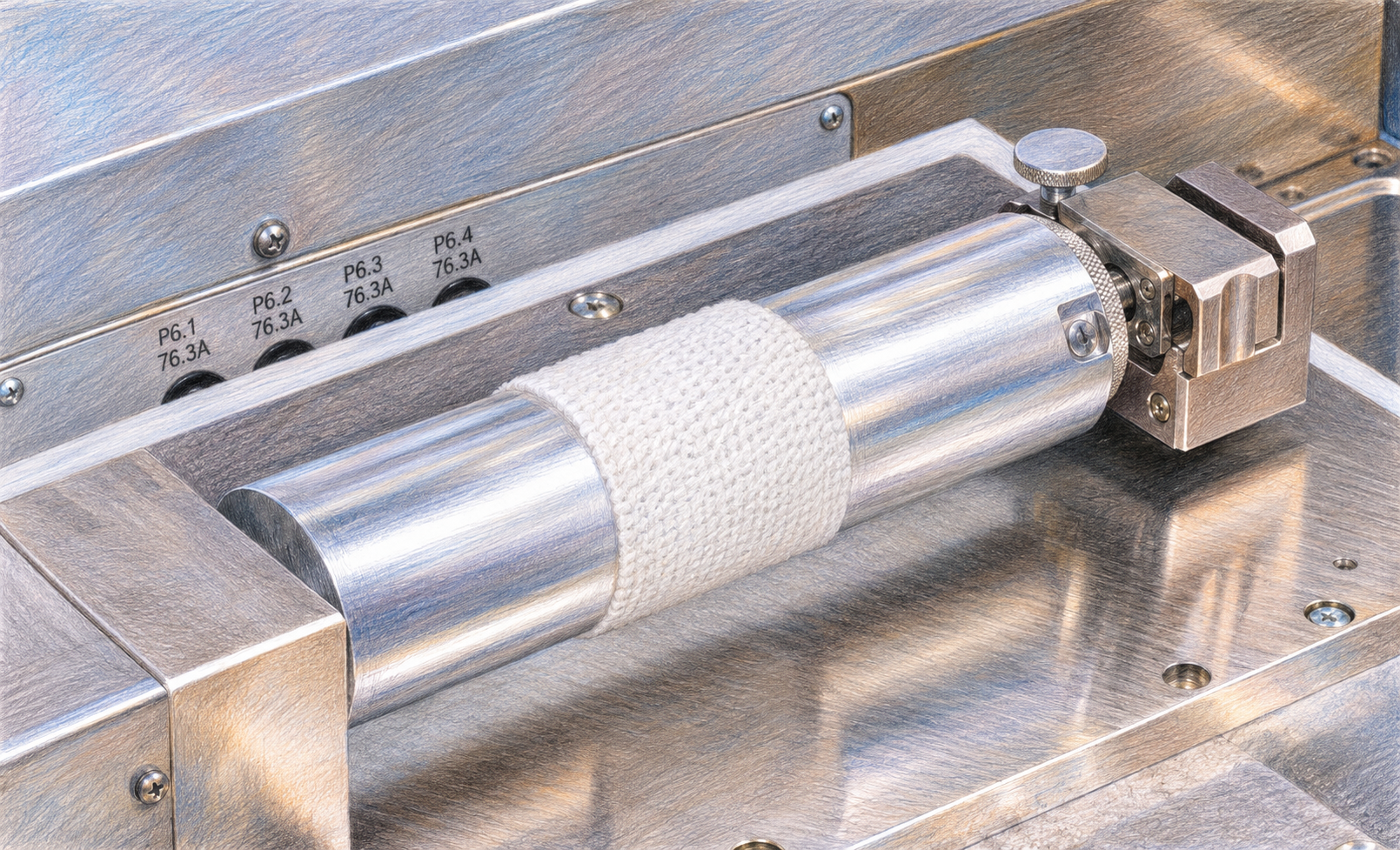
A rotating build platform for printing cylindrical scaffolds directly.
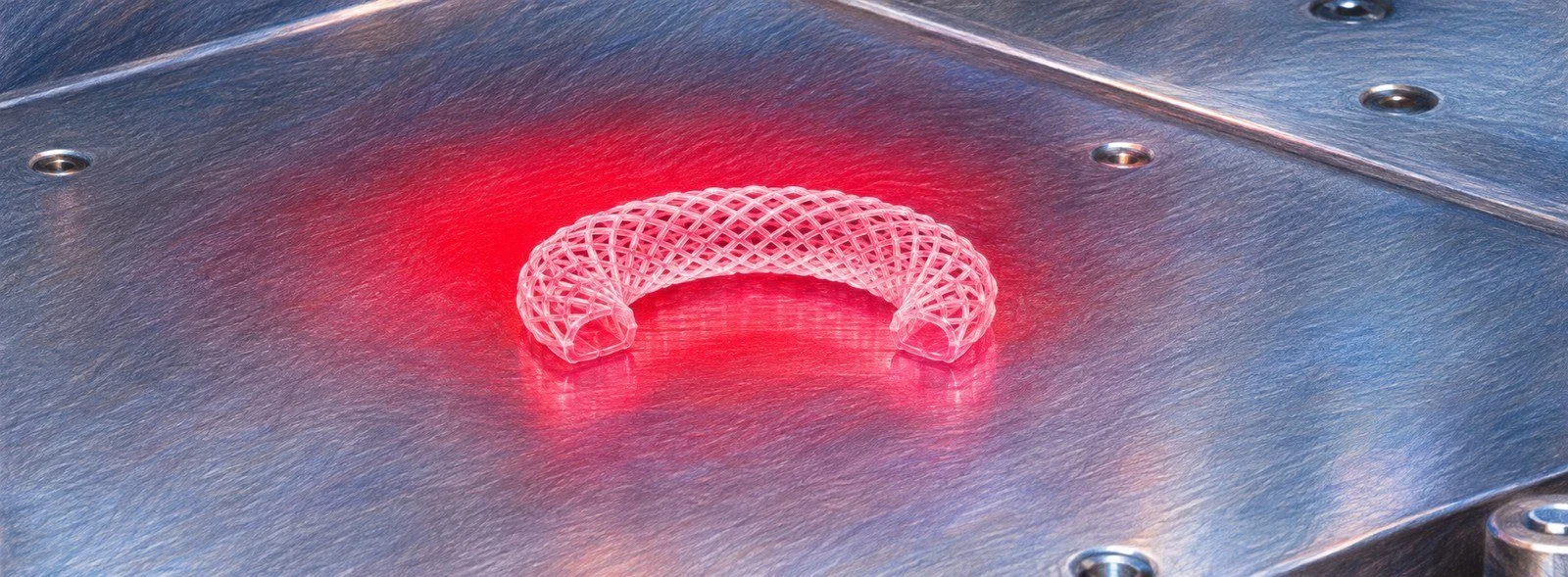
Blood vessels alone run more than 60,000 miles through the body. Instead of printing flat and rolling, or printing tall tubes with supports to remove, PrintRoll prints onto a motorized drum at speeds you define, with every modular printhead.
Developed with Johannes Gutenberg University Mainz for vascular, airway, digestive, nerve and wound applications. Ships with a 10 mm drum; 20 mm, 40 mm and custom drums swap in. Includes honeycomb and crisscross presets with a visual preview.
Compatible with 4th-generation Developer and Manufacturer systems; units sold before 2019 may need an on-site update.
Consumables
Air compressor
Pressure booster
Biosafety cabinet
From R&D to commercial devices
Nearly 1,000 peer-reviewed papers report work done on the 3D-Bioplotter.
Source: 3D-Bioplotter publications database, October 2026. Papers can carry several keywords.
Proven in regulated manufacturing
The platform behind the first FDA 510(k)-cleared 3D-printed regenerative bone graft. (510k cleared by 3D-Bioplotter customer, not Linton)
Bone regeneration
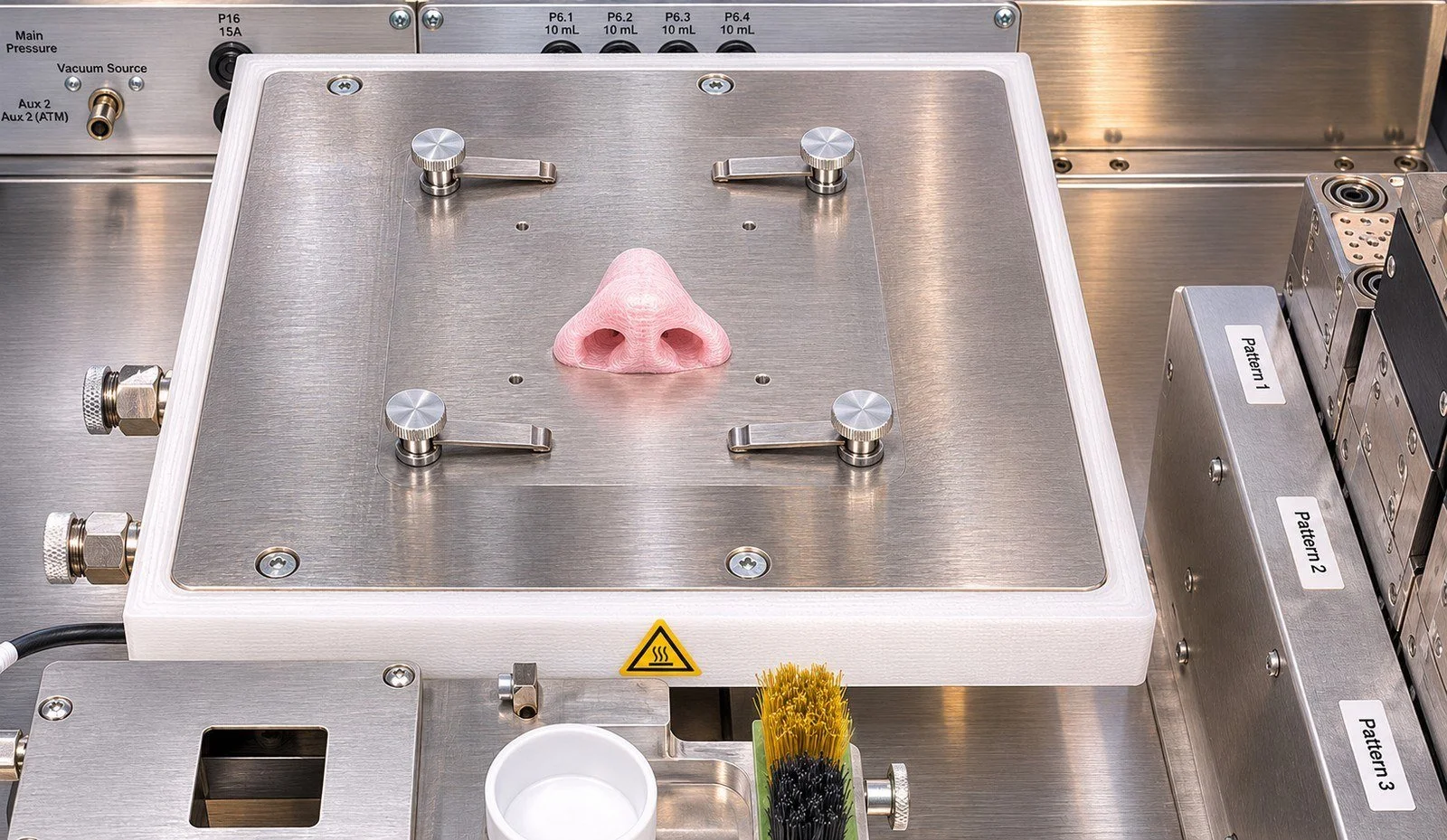
Porous scaffolds for craniomaxillofacial and dental defects in hydroxyapatite, TCP, PCL, PLGA and bioactive glass.
510(k)-cleared deviceSoft tissue & cartilage
Cartilage, trachea, heart valves and cardiac patches in GelMA, collagen and silicones.
Vascular & tubular
Vessels, airways and nerve conduits printed directly as cylinders on PrintRoll™.
Cell printing
Cell-laden bioinks for tissue models and organ research, including a bioprosthetic ovary.
Drug release
Personalized polypills, growth-factor delivery and local tumor therapy.
Beyond medicine
4D printing, graphene electronics, soft robotics and food printing.
From first scaffold to FDA-cleared device, the 3D-Bioplotter is the platform behind cleared biofabricated products. Request a quote, a call, or more info on the Developer or Manufacturer Series.